

Animal Care Clinic San Luis Obispo Veterinary Hospital
Written by Stephanie Ruggerone, Practice Administrator
After months of anticipation our family finally received the fantastic news that Recco, the beautiful Golden Retriever we raised from the age of seven weeks, was preparing to formally graduate as a guide dog with a new life partner. Many puppies that begin this journey vary from the path for a variety of reasons and become what is known as “career change” dogs. We have raised many puppies for Guide Dogs of America, have had a number of career changes and, were hoping for another graduate so we were thrilled with the news!
As much as we wanted Recco to learn this important work and be a successful guide dog the news is exciting, scary and sad at the same time. You are so excited to finally hear the good news and can’t wait to see your puppy again and met the new team at the graduation ceremony. At the same time you are nervous that your puppy won’t remember you or perhaps his new owner won’t like you. Then comes the final realization that Recco would not be coming home to us as a career change and this new step in his and our lives is permanent.
We were told that Recco had been matched with a “seasoned” guide dog user named Karen. The term seasoned simply means his new partner had previous experience using a dog for mobility and Recco would not be her first guide dog. The school also notified us that Karen was a “Golden Person” and had been waiting for a Golden Retriever to replace her prior dog, for a year! Of course we were thrilled to learn she really wanted a Golden and were doubly excited to hear Recco and Karen were a “match” from the first time they met.
Guide Dogs Of America takes every consideration into matching up the guide dog with the needs of the visually impaired handler. They consider size, speed of walk, living style, home and work locations as well as the type of daily routine the guide dog will be expected to become accustomed too. Even when every possible alternative is taken into account, the first match of dog and owner may not ultimately be the best. It is not unusual for trainers to have several dogs in mind for the same applicant. A trainer took Recco to Karen’s home for a “test drive” and the match was sealed as soon as Karen and Recco went for their first walk together.
Inexperienced guide dog applicants must spend 28 days living at the dormitory at Guide Dogs Of America learning the skills of navigating with a dog and developing the bond necessary for successful guide work. Because Karen is so experienced she qualified for what is called “in home training”. She and Recco were still considered part of the class of eight students residing at the school, however she and Recco had a trainer come to Karen’s home to practice mobility skills together in her own environment. This can be very beneficial for that student who finds it difficult to spend 28 days away from family and work responsibilities.
Fast forward to graduation day! While we were told a little about Karen when Recco was matched and we were advised there would be a graduation to attend, we really had no idea who we would be meeting. The anticipation was almost too much as we waited to meet Karen and be reunited briefly with Recco. Puppy raisers are given a mini orientation on what to expect during the graduation ceremony and how to respond to seeing their puppy after six months of training. It is so important to focus on the team and not just the dog – after all; a successful team is the ultimate goal of the entire GDA program. We are all aware these wonderful animals are not ours and want so much for their new owners to know how much we loved them and how much we want their new life with this dog to be perfect. At the same time, imagine how the graduates feel knowing their new partner will be seeing the ones they grew up with, not knowing the raisers and somewhat apprehensive of how their dog might respond during this reunion. The same concerns the puppy raiser has, the graduate also may have…will they like me? Will my dog still understand he is my partner? So we all met each other with a whole lot of excitement coupled with a little trepidation.
For us the reunion could not have been better. Karen is simply the perfect partner for Recco! She was open and friendly from the beginning and after only a short period of time I felt like I had known her for years. Karen is a beautiful lady, easy going and so fun to continue to get to know. We are blessed that she is open to having us as part of her friendship circle. I was so proud to sit beside Karen and Recco on the graduation stage. Proud of Recco that he proved to have the willing attitude to learn to guide and proud of Karen that she could transition to another dog and make a new bond with Recco. As I sat there beside them, Recco placed his head on Karen’s lap while speeches were being made. The tears welled up but I kept them at bay. These were not tears of sorrow but tears of joy for the life Karen and Recco were staring together and the bond between them that was evident for the world to see.
There will be bumps in the road. This holds true for all of us so I know Karen and Recco will have their share of trying times. I firmly believe that trying times are what make us better people and I know they are always better when someone stands beside you. Karen has her husband, Mike on one side and Recco on the other. There is mutual love and I hope and believe this partnership will last for many years. Go Karen & Recco!
(Karen’s husband, Mike, is scheduled to receive a new guide dog himself in late April. We plan to be there to see him proudly graduate with his own new guide. After all, this is extended family.)
Written by Jennifer Evans, DVM
One month ago, I returned my Guide Dog puppy, Payton, to Guide Dogs of America to start her formal guide dog training. I drove her down to Los Angeles where we had an emotional send-off with 35 other puppy raising families. After meeting together, we each got to take our pups to the kennel and introduce them to their new roommate. It was really somewhat funny in a sad way- the humans were all crying and the dogs were all having a blast wrestling with their new buddies! I have to admit; I took it much harder than I thought I would. I wasn’t bawling like the kids were, but let’s just say I had to sit in the car for a while before it was safe for me to drive home. I figured as a vet I would be able to stay more objective but when she was about 9 months old I remember looking at her and realizing it was too late, I loved her.
As difficult as this was, I’m still glad I did it. I received Payton when she was a tiny 7-week-old puppy and gave her up as a wonderful, sweet, well-rounded 17-month-old. It has been a crazy year and a half! She now begins 6 months of formal guide dog training, learning how to recognize and safely guide her person around any obstacle. When she is
done she will be matched with a blind person who fits her personality, pace, energy level etc.; and they will go through a month of training together. Then comes the second bout of tears, yet the reason I did all this- I get to go to their graduation and see her one last time before she starts her career of being someone’s eyes and independence. This was one of the most difficult, yet rewarding things I have done and I would highly recommend it to anyone who is up for the tears and the joy!
Update: I received a postcard from Payton after she has been in training for several weeks now. She reported that training is going well and she is enjoying learning her new tasks! We will let you know when we find out more how her formal training is going!
I returned back from my volunteer experience with the 2012 Iditarod Trail Sled Dog Race ECG and blood work program last week. My return was bittersweet, as I immensely enjoyed my time spent, though it was nice to return to my home and company of my own dog. I cannot say enough about all of the people I met involved with putting this massive event on and of the new friends I have made. I was tremendously impressed by many of the volunteers and their dedication to this event. All of the volunteers I met became involved after volunteering once and then became hooked!
One of the phrases I heard repeated by multiple people was, “we’re here for the dogs!” The care and compassion shown by those that I worked with is undeniable. The ECG and blood work program is one of several steps the dogs must go through to be cleared as healthy in order to race. There are a few shout-outs I must make, without which this program and my experience would not be what it is today. Cassandra Winslow and Kimberly McCreedy worked as an incredible team to lead our group of volunteer vet techs! They coordinated timing within our group and with the mushers, to make the process with each team flow as smoothly as possible and set an amazing example. Our Head Vet Tech, Jan Bullock, was our constant behind the scenes team mentor and really brought it all together finishing strong as we checked microchips on the race start days. Head Veterinarian, Dr. Stewart Nelson, has been involved now for 17 years. His dedication and teamwork with the mushers has helped bring this event leaps and bounds in terms of sled dog health.
The number of volunteers, both local and who travel from out of state, is truly astounding. The Iditarod is an event I have been fascinated with for many, many years and I was blown away at the coordination involved that I witnessed. Volunteer roles range from the simplest of tasks to those that require people with a high-level of specialized skills. There is a position out there for anyone ever interested in taking part in “The Last Great Race.”
As the race progressed I sat at home in California watching online stories of the mushers out on the trail. It was so fun to cheer on those whom I felt I had made small connections with whether they are with mushers or dogs. Of course congratulations are in order for Dallas Seavey, the 2012 winner of the Iditarod Trail Sled Dog Race. He is the youngest to win the Iditarod in 40 years of the race. Aliy Zirkle came in second, after leading most of the race all the way to the Bering Sea coast. Ramey Smyth placed third in the finish. All of these mushers are true athletes. Their incredible care for their dogs is what spurred these mushers to finish so strong. There are still many teams left to finish and the next few days we will see them cross the finish.
Many coworkers commented to me on how amazed they were on how strong and alert the dogs appeared after finishing 1,000 miles in Nome! I hope that I have been able to introduce the Iditarod to some people and show the level of care the dogs receive. If you’ve ever had any doubts, all you need to do is see how happy these dogs are to do what they love to do! All I can say is that I am truly proud to have been a small part of the 40th Iditarod Trail Sled Dog Race! This experience has truly changed my life. I look forward to returning next year, and making the Iditarod something I will be involved with for many more years!
If you are interested to learn more about the Iditarod Trail Sled Dog Race, check out the Iditarod website. Learn about volunteer opportunities, support the race, watch videos and share with others! Check out more of my photos on the Animal Care Clinic Facebook!

Written by Nicole Gunkel, RVTIf you were trying to compare a sled dog to a human athlete, the marathon runner would probably be the best choice. They tend to develop similar medical problems. Gastric ulcers are one of the biggest concerns for both sled dogs and marathon runners. The cause is not completely understood at this time. Providing antacid medications during the race has been used successfully recently. Research in this area is ongoing. Surprisingly, muscle strains are not very common as these are well-conditioned athletes.
Foot care is essential, and the paws of each dog are checked repeatedly throughout the race. Mushers massage their dogs, apply foot ointment, and go through hundreds of booties during the race. Booties are used to aid in thermal regulation and protection of footpads on the ice.
Nutrition is critical for sled dogs. Most mushers feed their dogs a combination of fresh meat, fat and dry manufactured diets. Where human marathon runners often get much of their energy from carbohydrates, sled dogs need fat and protein as a power source. Sled dogs, when at peak performance, can burn up to 10,000 calories in one day! You can see why meat and fat is an important component to keep their muscles strong. Dry diets and supplements are also important to make sure dogs get the proper balance of carbohydrates, vitamins and minerals, which are just as important to overall health. Vitamin E is supplemented in higher amounts in sled dogs as well, to help prevent oxidative damage to muscles and other tissues.
Before and during the race, dogs can be pulled from competition, or “dropped.” The most common reasons for dropping a dog are attitude issues, fatigue, illness, immaturity, being “in heat,” lack of speed, or just musher strategy. Mushers complete a “dropped dog form” that indicates the reason the dog is being dropped. All dropped dogs are flown to Anchorage via the Iditarod Air Force with the help of some commercial flights. An entire team of volunteers look after the dropped dogs to be sure they receive the care they need, and ultimately reunite with their musher.
As you can see, sled dog racing and the Iditarod race are an elaborate dance of athletes, teamwork, mushers, sled dogs, volunteers and insurmountable obstacles of terrain and weather. Check out the Iditarod website for more information and keep posted here for pictures and stories I will share from my experience at the 40th Iditarod Trail Sled Dog Race!
As a resource, much of my information for this article came from the Iditarod website.
It’s true that the mushers who train for and compete in the Iditarod Trail Sled Dog Race and similar races are athletes, and maybe just a little bit nutty to do what they do. However, I think the true athletes in this race are really the dogs!
Each race team consists of 12-16 dogs. Of these, a minimum of 5 dogs must be attached to the tow team at the finish. Teams often start with a larger number of dogs, and drop dogs along the way for various reasons. What is a sled dog, you ask? The ISDVMA (International Sled Dog Veterinary Medical Association) definition of a “sled dog” indicates the dog should have a willingness to be harnessed, to pull and participate in the activity, to be capable of tolerating certain environmental extremes, to meet specific health parameters, to be adequately conditioned and to be properly vaccinated and dewormed. There is no breed requirement when defining a “sled dog.”
To produce athletic dogs that are considered the top sled dog athletes, many are crossbred. The hybridized Alaskan Husky is what is most often seen. Breeds that have been bred, mixed or even raced purebred include: Siberian Husky, Alaskan Malamute, Labrador Husky, German Shorthaired Pointer, Standard Poodle and German Shepherd. My own Uncle Gary used to do quite well racing Irish Setters in the lower, Western United States in the 1960’s. Often his team was one of the fastest and not surprisingly drew quite a following!
All sled dogs must go through pre-race diagnostics and exams, prior to competition. This is where I come in! Beginning in early February, I will be assisting in blood collection for complete blood counts and chemistry panels. These blood panels will be interpreted and discussed with each musher by the head veterinarian to help determine health status and which dogs will be chosen for the team. For more specific blood panel information click here. We will also run ECG’s, short for electrocardiogram, which looks at the electrical rhythm of the heart. Though sudden death from a heart arrhythmia is rare, it is monitored as a part of the entire health screen and part of a scientific study. Microchips are implanted as a method of permanent identification, linked to blood tests, and are scanned on race day for eligibility verification. Over 10,000 veterinary physical examinations will also be conducted before the race. For more specifics on health concerns check out the veterinary information page at the Iditarod website.
I am very excited to meet these tremendous athletes and be a part of the well-oiled machine of volunteers that has made the Iditarod Trail Sled Dog Race such a world-renowned event! Watch for my next article where I will discuss health and nutrition in sled dogs.
As a resource, much of my information for this article came from the Iditarod website.
I have worked at Animal Care Clinic as a Registered Veterinary Technician (RVT) for almost 8 years now! As much as I enjoy my work at ACC, I have always wanted to volunteer, using my skills to benefit the community. For the last two years, I have wanted to volunteer in Alaska at the Iditarod Trail Sled Dog Race. Well, this year it is finally happening and I am so excited!
I will be in Alaska from mid-February through early March. This will allow me to help with pre-race physical exams and laboratory tests and also to be present for the start of the race. Since one of my responsibilities at Animal Care Clinic is managing our website and social media, I am excited to share my experiences in our blogs. In this article I will explain a little bit about the Iditarod and how it has fascinated me. In future posts I will talk about what I will be doing as a volunteer and I will post pictures and tell you about my experience while I am there!
The Historic Iditarod Trail winds 1,150 miles from Seward to Nome, Alaska. It was used primarily to deliver mail and supplies and to transport gold via sled dogs. The trail is named after the town of Iditarod that lies along the route. Most recognize it as the life-saving highway that was used by a relay of 20 mushers in 1925 to deliver diptheria serum to Nome when an outbreak struck. Eventually airplanes overtook the use of sled dogs in transportation. After 50 year of minimal use, the trail became overgrown, until Joe Redington, Sr. began repairs. Joe, also known as “Father of the Iditarod,” held the first official Iditarod Trail Sled Dog Race in 1973 after a couple of previous attempts. The official length of the current Iditarod Sled Dog Race is 1,049 miles, commemorating Alaska as the 49th state.
Many have competed in what has been called, “The Last Great Race,” from all over the world. Rick Swenson is the only 5-time winner. He has competed 20 times and never finished out of the top ten. Dick Mackey has the closest 1-second photo finish in 1978, just barely edging out Swenson. Normon Vaughan finished the race 4-times, once at the age of 88! Susan Butcher was the first woman to place in the top-ten and has won the race 4-times. Libby Riddles was the first woman to win the race in 1985.
Stay tuned and I’ll go into more about the dogs, their care and what I expect to be doing during my volunteer time in Alaska! If you would like to learn more about this amazing race check out the Iditarod website. Or read one of my favorite Iditarod books, “Winterdance” by Gary Paulsen. Happy trails until next time!
As a resource, much of my information for this article came from the Iditarod website.
Dr. Allison Bisson joined our doctor team in August 2011. Allie grew up in Topanga, California. She graduated with her Bachelor’s of Science degree from Cal Poly. From 2003-2007, while studying at Cal Poly, Allie also worked at Animal Care Clinic as a veterinary nurse. She earned her DVM from U.C. Davis in 2011. Allie looks forward to pursuing certification from the American Board of Veterinary Practitioners in feline and canine medicine and working as a veterinarian on the Central Coast.
Allie is very active, as she and her husband love spending time in the mountains rock climbing and backpacking. At home, she does a ton of reading and sewing. Often following close behind is her “lion-hearted” little terrier mix, Joe, who loves to hike, swim and roll in anything smelly! Allie is an avid world traveler and would like to participate in Veterinarians without Borders, to help provide medical care to pets and feral animals in third-world countries.
It is International Assistance Dog Week! No better time to give an update on Recco and officially introduce Fayme.Our last guide dog puppy, “Recco” is over half way through his formal harness training and we are proud to announce he is doing great!! We have received two postcards from Recco telling us he is enjoying his new responsibilities and is proud to be wearing his guide dog harness.After passing the tough physical and temperament exams at Guide Dogs of America he began some serious obedience practice and was introduced to his new trainer. He has learned left and right commands, stopping at curbs and intersections and how to pull out to lead. Next step is working in increasing difficult traffic with many distractions. We are so proud of Recco, but miss him dearly. Everyone keep your fingers crossed that he will continue to learn and enjoy his new roll, so in a few more months we will receive the long awaited invitation to attend his graduation with a permanent life partner.
Now lets meet “Fayme”. What a little pistol is this sable German Shepherd! Her pedigree is very strong in German lines with the hope that she will mature into a very intelligent and level headed adult, worthy of a place in the Guide Dogs of America breeding program.
All puppies are raised with the goal of being a working guide, however those showing exceptional qualities may be reassigned to the breeding program to produce more exceptional dogs. Guide Dogs of America originally began with all German Shepherd Dogs, a wonderful working breed. Over the years other breeds, such as the Golden Retriever and the Labrador retriever, were introduced to guide work and somewhat replaced the extremely high energy German Shepherd. A big part of the success of a guide dog is the matching of personalities and making sure each dog will thrive in the lifestyle of their blind partner. Using several different breeds makes this matching task much easier. Lifestyles have changed as society has become more technical with mass transit, computers, distance learning and telecommuting. Guide dogs, in many placements, no longer require the higher energy levels to walk miles each day taking their partners to work and social engagements. The German Shepherd breed likes activity, needs more exercise and requires a partner with strong leadership qualities to make a well-rounded team. Guide Dogs of America would like to increase the number of German Shepherd guides available to their students who want this high energy, loyal, and often-serious working partner.
Fayme is doing extremely well for a five month old GSD puppy. Shepherds are famous for being a bit on the vocal side, however with the assistance of all Animal Care Clinic employees, Fayme learned in the first week that whining was not acceptable. She is quiet and calm when crated and was easy to house train. While she is not fond of wearing the “mini guide dog jacket,” better known as the “bib,” she is adjusting as we take her out more in public places. She is finally completing her vaccination schedule so she is ready for more socialization and new experiences. Her ears are “up” for those who know how precarious this can be for a shepherd puppy, and while a bit “leggy” right now she is developing a nice sturdy body with no early signs of hip or elbow problems.
We have a long way to go with Fayme but it was less than two short years ago that we said the same thing about Recco, so on with the training!!
Kathryn started working at Animal Care Clinic with the Lodging Team in May 2011. Originally from Rancho Palos Verdes, Kathryn moved to San Luis Obispo for school. She is attending Cal Poly, planning to graduate in 2013 and then go on to veterinary school. Kathryn is spends lots of time with her horse, Le Gusta, schooling in first level dressage. As a member of Alpha Omicron Pi, she is also involved in community service that works to raise money for arthritis research
We are privileged to have Dr. Greg Marsolais provide specialty surgical services at Animal Care Clinic. Dr. Marsolais started with us as a veterinary technician, in the mid 90’s, when we were still located on Granada Street. Greg graduated from California Polytechnic University in 1998, and then went on to graduate from Iowa State University with dual degrees of Master of Science in Veterinary Clinical Sciences and a Doctor of Veterinary Medicine in 2002. Dr. Marsolais also spent time as an intern at the Affiliated Veterinary Specialists in Florida before completing his surgical residency at the University of Illinois. Aside from completing research in canine rehabilitation, he has developed his skills and interests in orthopedic, neurologic, and soft tissue surgery. Dr. Marsolais currently resides in the Monterey Bay area, with his family.
Dr. Bonnie Markoff is the owner and founder of Animal Care Clinic. She is almost a San Luis Obispo native; she moved here at the age of 9 and attended elementary and high school in SLO. Dr. Markoff graduated from Cal Poly with a degree in Animal Science and then went directly to UC Davis for veterinary school, earning her DVM in 1988. She is a Board Certified specialist in Canine and Feline Practice, a Diplomat of the American Board of Veterinary Practitioners. In 2001 she had the special honor of being named a Fellow at UC Davis in small animal abdominal ultrasonography. Dr. Markoff’s special medical interests include internal medicine, oncology, pain control, diagnostic imaging and figuring out the “tricky” cases.
Bonnie lives with her Border Collie, Pete; Australian Shepherd, Zeke; and Catahoula cross, Teague. She enjoys photography, landscaping, hiking, traveling, kayaking, singing in the church choir and playing percussion in her church band. She sits on the advisory board for the Animal Science Department at Cal Poly. Bonnie also works often on short-term missions for Christian Veterinary Mission and other faith based groups to bring veterinary care and leadership skills to people in need throughout the world. She most frequently visits Mongolia and Zambia on these trips. She is also leading Animal Care Clinic in a partnership with the University of Baja California to bring both veterinary medical and leadership training to the students in Mexico.
This summer Dr. Markoff will be participating in the MR340 – a kayak race across the state of Missouri – 340 miles down the Missouri River in 3.5 days! This will be a fundraiser for a the American Cancer Society, Guide Dogs of America and the Mongolian organization Dr. Markoff volunteers with. To support Dr. Markoff and her team on this adventure, go to Animalcareclinicslo.com and check out the Open House and Wine Gala page!
Marissa Greenberg joined our doctor team in June 2006. Marissa grew up in Whittier, CA. She then graduated from Cal Poly in San Luis Obispo with a degree in Animal Science and worked at Animal Care Clinic as a veterinary nurse during her undergraduate studies. She earned her DVM from Washington State University in 2006 and plans on becoming an ABVP diplomat. Marissa’s special interests include oncology, pain management/prevention, leadership and communication.
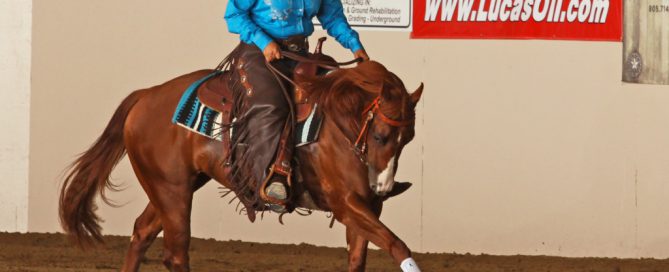
Marissa volunteers her time to help the local 4-H dog training group, and can often be seen judging at their shows. She also guest lectures at SLO High School’s Vet Science class and is on the SLO High Ag Department’s Advisory Board. She enjoys riding, training and showing her Quarter Horse, Shotgun, in the sport of reining. She loves to spend time with her family and friends, and likes to hike, jog, cook and bake. Marissa loves to spend time with her dogs Slink and Mico! She especially likes getting them out to enjoy the central coast, and trains and shows Mico in obedience.
Written by Stephanie Ruggerone, Practice Administrator
Like the saying goes, “all good things must come to an end,” or so that is how my family feels as we process the letter we received from Guide Dogs of America last week. Yes, the long dreaded recall letter came advising us it is time to give up our beautiful boy so he can finally learn to wear a harness and guide a sight-impaired individual.
Recco still has the most difficult part of his training to accomplish. He will be assigned to a California State Licensed Guide Dog Instructor and spend the next five to six months learning how to navigate a blind person through the dangers of everyday life. Two of the most difficult transitions he will need to master are “intelligent disobedience” and becoming responsible for his new partner’s safety.
Only about 50% of the dogs that begin their journey to become guide dogs will successfully complete their final harness training. Once Recco passes his physical and temperament testing the stressful part of his training is just beginning. We have done a tremendous amount of groundwork so that Recco will hopefully not encounter frightening situations he has never seen. What is difficult to prepare him for is making the change from following the direction of us, his puppy raisers, to taking charge when necessary and NOT following the direction of a blind partner if safety is at risk.
He will be required to learn the “straight line” concept and only vary from a given direction to avoid an obstacle, coming back to the straight line again after the danger has been passed. He will learn to stop at all curbs as well as the “bumpy” wheelchair ramps you now see at most intersections. He will learn to look up and identify possible dangerous situations from tree branches, overhangs and building fixtures that he could easily go under but not a blind partner. He will learn to back his partner up when danger crosses the path and will learn to stand his ground when asked to go forward in a dangerous situation. In essence, he will learn to be responsible for the “transport” of the team from one location to another and he will need to take this job seriously.
I hope in six months we will be invited to see Recco graduate with his new partner and give you another update on how all this training went. We would love to have a photo of Recco proudly wearing the harness and finally becoming the true gift of sight.
Recco has been an easy dog to raise; fun, loving, intelligent (most of the time) and a breeze to train in basic obedience and general manners. We could not have asked for a better dog. Our job is done and we will send Recco off with an ocean of tears and the hope he will be successful and make a world of difference for someone who needs him. Goodbye our little “Reckster”, we love you and will miss you! Hello Fayme, an eight-week-old German Shepherd to start the cycle over again…Oh Boy, what have I gotten us into now?
Dr. Richard Tao is yet another graduate of the UC Davis veterinary program. Dr. Tao also received his B.S. in physiology from Davis. He spent one year practicing at the Animal Specialty Group in Los Angeles before joining Animal Care Clinic in November 2001. Rich’s special interests include surgery, orthopedics, oncology and ultrasonography/medical imaging. In his free time, Dr. Tao enjoys cycling, backpacking, and traveling. Richard is a volunteer firefighter with the Santa Margarita fire department. He and his wife have 3 cats and a Golden Retriever/Border Collie cross, Sephora.
Written by Nicole Gunkel, RVT
Many have heard by now that Animal Care Clinic was honored with an award as a Finalist for American Animal Hospital Association (AAHA) Practice of the Year! We are all very excited about our finalist status and proud to have shown ourselves well in honor of our clients and patients. For those who haven’t heard, let me tell you a little about AAHA and this award.
Last year, I was looking through an AAHA magazine and read an article about the first annual AAHA Practice of the Year award and immediately thought, why didn’t I hear about this? In my mind Animal Care Clinic should be right there at the top. So last fall, I spent many hours preparing our application. AAHA wanted to know how we communicate that we are AAHA accredited, something that only 15% of veterinary hospitals in North America can claim! They also wanted to hear about our community service, staff continual education, and compliance of clients on several different services we offer. After sending in our application we were thrilled to hear that we had made it among the top-5 finalists for the Practice of the Year award. The award was to be announced and presented at this year’s AAHA Conference in Toronto, Canada; and so of course, we must go!
Last month I went along with our practice owner/veterinarian Dr. Bonnie Markoff and our practice administrator Stephanie Ruggerone to Toronto. Our time in Toronto was spent primarily indoors going to classes all day long about a wide range of topics to do with the veterinary world. Conferences like this are one way our staff keeps up with new advances in veterinary medicine and learns about new skills and products. I personally went to classes ranging from leadership, greening the veterinary hospital, client/staff communications, behavior, social media/websites and scientific veterinary technician. I learned soooo much and am still processing everything I heard and saw.
When we originally checked in and received our name badges we also got a really cool button that differentiated us as a Practice of the Year finalist. There was a really great display for everyone to see our application and learn more about all the things we do at Animal Care Clinic. We always got a little bit giddy when we saw people from other hospitals looking through our stuff and pointing things out. It really made me feel that we have something very special here in San Luis Obispo.
The very last day of the conference was the awards breakfast where they announced where they ranked us as finalists. Of course, we all wanted to be first but it was such an honor to be there in the first place. We waited patiently as other practices were named as first, second and third before we were announced as finalists. During this time we got to hear about the other hospitals whose company we shared and couldn’t help but be very excited for each of them. Every other practice in the top-5 really stood out in their own way and there is no way we could fault any one of them. Our finalist position means that we are qualified to apply again next year, and so w shall! I can personally say that I learned about so many ways that we can improve for our patients, our clients, and our staff. Many of these things we have already begun to apply. Besides, we did get a really cool award that is being displayed on our front desk so please come and take a look! If you have any questions about AAHA, any of our staff members would be more than happy to tell you more and we always strive to improve for everyone’s sake!
Jennifer Evans joined Animal Care Clinic in July 1997. She is a Santa Barbara native who earned a degree in Biology from Cal Poly. Dr. Evans earned her DVM from UC Davis in 1997. Her special interests include pocket pets (rodents and rabbits), behavior and internal medicine. Jennifer brings a special compassion and empathy to our practice. Jennifer enjoys all outdoor activities including camping, SCUBA diving and horseback riding, along with church and family activities. She has two dogs, Ventana a career changed Guide Dog Labrador retriever whom she enjoys as her hiking buddy and Payton, her first Guide Dog Puppy in training.
Natasha Lilly is joining the ACC team this April, 2011. She is a California native who grew up in the central valley. She first fell in love with the San Luis Obispo area as an undergraduate at Cal Poly studing Animal Science on the pre-veterinary track. In 2008, Natasha completed her DVM studies at UC Davis with an emphasis in equine medicine. She initially went to work outside of Chicago in an equine sports medicine practice. After becoming disappointed with the options to treat our atheletes, she began taking an interest into complementary medicine, especially acupuncture. She attended an equine and small animal acupuncture certification course through IVAS in 2009-2010. She was then mentored and worked for an established acupuncturist and complementary medicine DVM in Chicago, Dr. Barbara Royal. In Dr. Royalʼs small animal practice, the emphasis was on blending Western and Eastern medicine practices in treating every patient.
In addition to complementary medicine, Natashaʼs special interests include advanced imaging and nutrition. She also enjoys supporting rescue groups and humane societies and spent time doing so with the largest No-Kill shelter in Chicagoland, PAWS Chicago. She enjoys spending time with family, riding and showing her jumper, Bleu, trail riding on her ranch horse, Ben, road biking, hiking, jogging and traveling. Natasha, her husband and their one year-old son live with their 2 horses, and 2 dogs, Kona and Copper, on a ranch in Edna Valley.
Rachel joined the Animal Care Clinic team to work in various areas of the hospital in March 2011. Rachel is a local from Atascadero and is currently pursuing a degree in Communicative Disorders. She stays busy with her 2 dogs and spending time with her friends/family and kids. Rachel loves outdoor activities including biking, hiking, rock climbing, and is training for her first half marathon! Rachel is a great fit to our team with experience in a wide range of animals including dogs, cats, snakes, rats, guinea pigs, horses, swine and turtles.
Written by Stephanie Ruggerone
Airports, big city traffic and SNOW! Such were the new experiences Recco encountered recently when he accompanied Dr. Markoff, Nicole Gunkel and myself to Toronto, Canada to attend the annual American Animal Hospital Association conference. Animal Care Clinic was honored to be one of five finalists for the AAHA Hospital of the Year Award for 2011, so it was off to Toronto in late March while SLO was being drenched in rain. Luckily, blizzard conditions did not strand us but we did have a few travel delays and extremely COLD conditions for soles used to the central California coast.
While Recco has been exposed to many aspects of daily life that he may encounter as a guide dog in the future, we rarely travel by air and prefer to stay a distance from both big cities and cold weather. This trip placed him in situations he has never experienced and put lots of his prior training to the test.
We were not overly concerned with the actual air travel, though you never know what may prove overly stressful when raising a guide dog, however “ground delays” put poor Recco in a difficult situation. Getting out of security in our wonderful SLO airport for a potty call was not a problem and so we overcame our first early morning delay easily. Another delay in SLO put is two hours behind schedule. Due to our first two delays, and not knowing if we were going to miss our connection, I unwisely passed the opportunity to allow Recco to relieve himself on the tarmac upon arrival at San Francisco. What happened next? You guessed it; we had another delay and now were stuck. Ground delays can be minutes or hours and you don’t dare stray too far from your gate as they may ask you to board at any time! Since Recco was acting quite comfortable I still was not too worried. After an hour we boarded for our five and a half hour flight to Toronto. The flight was uneventful with Recco sleeping quietly until about forty minutes out from landing. He was restless but followed my direction to remain down under the seat. I was relieved when we finally landed but poor Recco was in for more delay! There was a mix up in the arriving customs terminal and no place for our plane to dock so we sat on the tarmac for another hour. By this time I was sure Recco would never make it to the great outdoors but continued to ask him to stay down every time he made a move for the aisle. Once we had deplaned a very nice customs agent opened a special gate for us to be processed. Now I am smiling as I think we just might make it. Sending the others to get my luggage, Recco and I headed for the doors only to be stopped by another customs agent wanting my declaration paperwork. Of course there is only one declaration per family and my husband had ours over in baggage claim. Forget trying to explain to a customs agent that your dog has not been relieved for over ten hours, they just don’t care. I also needed to visit the ladies room but the dog must come first so I found my better half and we finally got outside.
Of course, what we found was cement and snow. Recco has never seen snow but I took off his guide dog jacket, gave him the secret potty command and watched him for five minutes as his facial expression changed from a grimace to somewhat relaxed to thank goodness that is over! This is why we train them from small pups to relieve on leash, on command and on a variety of surfaces. During the entire trip Recco consistently eliminated when and where I asked him too, regardless of the activity around him.
In Toronto you can last months without ever going outside in the cold! The “PATH” is an underground system of walkways and stores that connect all of downtown Toronto. We felt a bit like moles making our way from our hotel to the convention center the following morning. Again Recco proved he is guide dog material as he wove through throngs of people and commotion without missing a step. Revolving doors come in a variety of sizes, and the small ones are not conducive to big dogs with long tails. He may not have liked the doors but he tackled them anyway, trying to keep his tail from getting caught behind him.
The classes at the convention were a piece of cake as Recco is totally accustomed to lying under a table or desk while I am working. What proved way more difficult were the several hundred veterinary personnel who were away from their own pets for five days! We all know not to pet a guide dog when it is working but by day number five EVERYONE needed a “dog fix” and Recco’s head was beginning to swell from all the complements. During the entire trip we only experienced one negative response to a service dog when a taxi driver at our hotel refused to allow Recco in his car. Acceptance of these dogs has come a long way since I raised my first guide dog thirty years ago.
We are all glad to be home and there is no place better than San Luis Obispo. Recco did amazingly well and we are proud of him and his representation of service dogs. I think if you were to ask him he would say it was OK for a visit but he wouldn’t want to live there!
Practice Administrator, Stephanie Ruggerone, came to ACC in September 2000. She has an extensive background in many facets of animal care including behavior, training, grooming and pet assisted therapy. Following Studies in animal science and agriculture at the University of Arizona, she settled in San Luis Obispo County in 1980 after growing up in Whittier, CA. She has raised and trained Golden Retrievers under the Autumngale Obedience kennel name. After training two dogs for the county humane education program she became an animal control officer, then quickly promoted to the position of Animal Services Director. She was thrilled and honored to be invited to be a part of the Animal Care Clinic team where the emphasis is on quality animal care and client education. Stephanie and her husband have two children attending college and share their home with a true barnyard of animals. Currently there’s 1 cat, 4 dogs, 1 goat, 2 horses, 1 emu, 1 bird, and whatever shows up on the property. Her personal passion is a commitment to assist in providing guide dogs for the sight impaired. Her family has devoted many years to guide dog puppy raising, having raised 13 puppies for guide dogs. Aside from ACC and puppies, Stephanie loves to read, and all things outdoors especially hiking in Yosemite and endurance horseback riding. She has a passion for dog behavior and hopes to accomplish search and rescue training on one of her dogs and become a certified Search and Rescue team with FEMA.
Nicole spent her youth in the mountains of Mt. Shasta, California. After attending the College of the Siskiyous, she transferred to the University of California at Davis earning her B.S. in Animal Science, specializing in Equine Science and Captive & Companion Animals in March 2004. Immediately after graduating she moved to San Luis Obispo and began working as a Veterinary Nurse at Animal Care Clinic. She has had many animals over the years including dogs, horses and raising 4-H lambs. Nicole absolutely loves anything having to do with the outdoors. She especially loves hiking, camping, backpacking, skiing, traveling everywhere and riding and training horses. In 2005, she accomplished her goal of summiting Mt. Shasta (a technical 14,162 miles high). Nicole earned her Registered Veterinary Technician license in October 2006. She aims to continue learning her trade and is interested in anesthesia, leadership, communication and teaching. One of Nicole’s projects has been the making and designing of the Animal Care Clinic website. She has also taken Animal Care Clinic into the world of social media.
Bethany came to us originally from Littlerock, California and is currently attending Cal Poly and working on a bachelor’s in animal science. Bethany currently works both in our lodging and veterinary nurse teams since March 2010. Her goal is to finish school and become a Registered Veterinary Technician and to work at an exotic animal park. Bethany has 2 dogs, Rascal and Luna. She also loves to dance, watch movies, hang out with friends, and perform theatrically.
Sue joined the Customer Service team in May 2009. Sue originally grew up in Riverside, California and then moved to the Central Coast in 1981. Sue graduated from Cal Poly San Luis Obispo in Animal Science and worked for the Cal Poly Vet Clinic as a registered technician in large animal medicine. She is married with 2 young adult daughters and also cares for 1 dog, 3 cats, and 2 horses. Aside from all this, Sue keeps busy walking, hiking, gardening and singing in her church choir. She also enjoys restoring and remodeling houses with her husband.
Diane has been an indispensable addition to the ACC customer service team since August 2005. Diane grew up a Navy brat, and so has lived in San Diego, Monterey, England, Nebraska, and Maryland. She graduated from Cal Poly with a B.S. in Animal Science in 1985. Diane is married to her husband Eric, with whom she shares 4 teenage children, 1 cat and 2 dogs. Her athletic family keeps her very busy running from one sporting event to another! She also loves sports (it’s a good thing!) and any creative outlet, especially music, photography, and arts & crafts.
Eileen started at Animal Care Clinic as a veterinary nurse in April 2004. In November of 2008, Eileen moved up front to Customer Service and has been there ever since. Originally from the East Coast, Eileen has lived most of her life in California so she considers herself a “California Girl.” Eileen previously worked as a technical writer in Silicon Valley for 20 years, so this is her second career. She loves working with animals and says, “You’re never too old to keep on learning and growing. You CAN teach an old dog new tricks – they proved it on Myth Busters!” In her spare time, Eileen enjoys reading, knitting, and hiking. Eileen and her husband are also employed as staff by their cats.
Morgan is a local from Santa Margarita, CA. She started working in veterinary nursing and lodging at Animal Care Clinic in December 2009. Morgan is studying Animal Science at Cal Poly and hopes to eventually go to vet school. Morgan has several pets including 2 dogs and her Quarter Horse, Rio. Some of Morgans hobbies are horseback riding, hiking, camping, spending time with family and friends and laughing. Morgan also loves working with kids and has been a volunteer in her church’s Sunday school classes for a few years.
Travis joined the veterinary nursing team in July 2008. Travis is a native of San Luis Obispo, and would eventually like to attend vet school. Travis has an interest in reptiles and currently his pets include 3 cats and 6 snakes. Travis practices martial arts, such as Kendo and Brazilian Ju Jitsu. He also loves to play with his son and teach him about animals. Travis is married to Cate (of our Customer Service Team) and they now have a beautiful baby girl as well.
Michaela grew up in Mission Viejo, California and graduated from Cal Poly in 2009. She joined the veterinary nursing team in January 2010 and would like to someday attend veterinary school. Michaela enjoys hiking with her shepherd mix, Cosmo. She also loves swimming and playing water polo and gardening and has a special interest in marine wildlife.
Nicole joined the customer service team in September of 2009. She is a local San Luis Obispan and currently attending Cal Poly, majoring in Sciology. Nicole loves to spend time and hike with her 3 dogs Brixtyn, Ginger and Bear and also has a Beta fish at home, Fishy. Other hobbies are going to the movies and gym, reading, and spending time with her family, friends, and boyfriend.
Louise graduated from Cal Poly with her Animal Science degree in 2005 with a minor in Equine Science. She began working on the veterinary nursing team at Animal Care Clinic in November 2008. Louise came to San Luis Obispo from Loyalton, California. She would like to obtain her registered veterinary technician license in the future. In her spare time, Louise enjoys riding her horse, running, hiking, playing with her cat, Remington, and taking her dog, Avila to the beach.
Tara moved to California from Farmington, Connecticut and joined the Veterinary Nursing team in January 2009. Tara graduated from the University of Connecticut. She has earned her Registered Veterinary Technician license in California, after previously being certified in Connecticut, and wants to continually find challenge in this profession. Tara enjoys hiking with her husband and dogs, Kona and Raylan. They also have 2 cats at home, Figo and Bailey. Tara also likes riding mountain bikes, traveling, photography, and is a volunteer with the Marine Mammal Center. Tara says, “I am a self-proclaimed ‘cat person,’ they are just way cooler than people give them credit for!”
Caitlin goes by Cate here at ACC, and has been a part of the Customer Service Team since November 2007. Cate grew up in rural Mc Arthur located in Northern California. She is married to Travis of our nursing team and has two children, her stepson Skyler and daughter Hailey. Cate loves hiking, tide pooling and spending time with her family.
Zack joined the veterinary nursing team in July 2008. Originally from Bakersfield, Zack moved to San Luis Obispo to attend Cal Poly. He is an Animal Science major and would like to attend vet school some day. Zack is interested in most physical activities and it is very likely to come across him playing volleyball at Pismo Beach.
Lavella has been the Customer Service Manager since coming to us in July 2008. She is a native of San Luis Obispo and has lived here a majority of her life. She has worked for the IRS while living in Fresno, been a Phlebotomist as well as an EMT, and most recently as a Lasik Technician prior to coming to Animal Care Clinic. In June 2010 she adopted a “brother” for her cat, Rocky, from the Department of Animal Services. He’s a Cheweenie (Chihuahua and Dachshund mix) named Petey. Although they are different species, they get along amazingly well. Lavella loves NASCAR, football (go Chargers!), movies, traveling, making clay figurines and hanging out with family and friends.
Four employees of Animal Care Clinic (Bonnie Markoff, Travis Morris, Ashley Ventimiglia, and Nicole Gunkel) took a trip to Mexicali, Mexico in what we deemed a “fact finding mission.” Our own Gustavo Rayas along with our new friends from the Mexicali vet school, Tomas Renteria and Julio Mercado, have a vision to improve upon the curriculum and to raise the small animal hospital to AAHA standards. We were shown hospitality by everyone we met! Tours of the university owned small animal veterinary hospital and veterinary school were given on day one, followed by a presentation to a group of students by Dr. Markoff and Ashley on “Practicing Excellence” and a discussion of goals for our future involvement together on day two. ACC was excited by the people we met and are looking forward to a cooperative exchange and future involvement in Mexicali!
Written by Gustavo Rayas, RVT
Ever since I graduated veterinary school in Mexico, I have had the dream to come back and help my school to improve and develop. Then six years ago Dr. Markoff and I were talking about an idea to visit my vet school in Mexicali. We started brainstorming about what we could do to help them. My biggest goal was to train them in leadership skills, management, and confidently developing working protocols. These are areas we work on to achieve at Animal Care Clinic to a high level and not previously focused in Mexico. When my good friend and classmate, Tomas Renteria was promoted to dean of the veterinary school, a great opportunity presented itself. Tomas shares with me a vision to work with and improve the vet school in Mexicali. I went back to Bonnie and presented my idea again, and this time, we ran with it.
In July of 2010, a group of school officials came to visit Animal Care Clinic during our annual Wine Gala/Open House and also to see Cal Poly University, San Luis Obispo. This opened up personal relations between Animal Care Clinic and the Mexicali vet school. After further discussion, we agreed to focus my goal by working on bringing the school up to American Animal Hospital Association (AAHA) standards. These standards encourage the best management practices, medical procedures, and customer service in animal hospitals in North America.

Dr. Markoff discussing our future involvement with Tomas Renteria and vet school staff and students.
This November, Dr. Markoff led a small team of Animal Care Clinic employees to scout out the vet school and their small animal veterinary hospital. The trip was very successful and our team members were excited by our idea after seeing the current facilities and meeting students and staff members. The future plan is for Animal Care Clinic to act as their formal mentor. We will follow the AAHA Mentoring Program step-by-step in order to establish a good relationship and learning environment. We hope that our working relationship with our new friends in Mexicali will lead to not only us helping them, but new experiences and personal growth for our own team. We will keep you posted with future updates and look forward to what the future brings!
Alex has been a part of the ACC lodge team since February 2008 and now also works as a veterinary nurse. Originally from Newbury Park, California, he currently attends Cal Poly and aspires to one day attend veterinary school. He is an active volunteer at the Cal Poly Vet Clinic. Alex has a lab named Buddy, he also loves to play sports with friends, especially baseball. He also enjoys working in the mountains of Idaho doing trail maintenance for the Forest Service during the summer.
Written by Stephanie Ruggerone
November brought two exciting “events” to ACC employees. Dr. Evans received her long awaited guide dog puppy, “Payton”, and Practice Administrator Stephanie Ruggerone’s guide dog puppy, “Recco”, represented Guide Dogs of America at a four day Las Vegas fundraiser!
“Payton” is an adorable female yellow Labrador retriever proving to be extremely full of energy and running poor Dr. Evans ragged. She is a real love bug and staff is sometimes finding it difficult to follow the guide dog rules, as they would like to hold and play with her all day. Come on by and meet little Miss Payton or maybe you saw her in the San Luis Obispo Holiday Parade on December 3rd.
“Recco” was one of approximately thirty guide dogs, and the only Golden Retriever, to saunter down the strip, spend a day lounging on the 18th tee of the Angel Park Country Club and smooze with over six hundred donors at the Paris Banquet Hall in Las Vegas. The Guide Dogs of America annual golf tournament and awards banquet is a major fundraising opportunity for the school and brings donors from all over America and Canada. It was indeed an honor to be asked to represent puppy raisers and the dedicated work involved in bringing a well-trained dog to assist someone sight impaired.
At eleven months of age, “Recco” is showing many qualities needed to become successful in harness. His Vegas adventure began with a long bus ride from Sylmar, CA. to Las Vegas. Imagine a charter bus filled with twenty-five people and fifteen dogs! Legroom was at a premium but the dogs were all on their best behavior. The Paris Hotel & Casino was our home base and graciously even created a special “relieving” area for our dogs near a side exit. A 7:30 AM potty call isn’t exactly easy when going from the 5th floor (for some the 33rd floor!) to the lobby, across the casino and out to the relief area. In the early AM many visitors wondered why all the dogs appeared to be walking like they were “dogs on a mission”! After arrival we had some free time and decided to walk the strip. Easy enough you might think, except when you are walking dogs wearing bright yellow jackets and weaving in and out of huge crowds of people, many of us being just slightly intoxicated. It took us approximately two hours to walk from the Bellagio past the Mirage and to Treasure Island! We must have been stopped at least fifty times to explain the dogs and allow for some petting and answer questions. But that is exactly what it was all about, educating the public on these precious gifts to the blind.
The noise and heat from the Mirage Volcano were apparent to us, but Recco hardly twitched an ear. He actually took initiative to weave through the crowds without my direction and remained focused even when bombarded with people touching him while he was heeling. We just don’t have this type of activity and distractions in San Luis Obispo so it is amazing that Recco took so much in stride.
The golf tournament also presented a few new experiences for Recco. Each tee is assigned a dog or two and we were stationed at the 18th hole. Recco can officially claim to have been fully trained with regards to loose rabbits! Now these were not your normal run and hide rabbits, these guys are used to people and bold as brass. I am sure a few of them had a great time just taunting the dogs all day long. Add to the rabbits, several covey of quail, flocks of pigeons and flying golf balls and they had their share of visual distractions. We also found out golf carts were not made to hold two people AND two guide dogs. Somehow we made it back to the clubhouse without falling or jumping, out of the golf cart, leaving all the wildlife on the tee, and making friends with 100 or more golfers.
Saturday evening brought the banquet, the highlight for most donors. Recco and other dogs were asked to sit still for what seemed like hundreds of photos and again were asked to remain calm and collected while being pet and talked to for hours by total strangers. Even for dogs who love people, this can prove stressful but Recco again proved he has great guide dog potential.
Traffic noise, casino bells and buzzers, bright disco type lights, loud music, “unstable” people, not to mention having very few places to potty can really stress a dog out! Now multiply that by four for a puppy raised on six acres in San Luis Obispo and it is understandable that Recco, and all the other dogs, came home a bit tired. We all had a wonderful time and hope that we were able to spread information about Guide Dogs to others to ensure these programs, supported entirely by donations, continue in the future.
Recco will be with us for approximately six more months and due for his one year of age evaluation at Guide Dogs of America in January. We will keep you posted on his progress and his upcoming evaluation score!
Melissa is another smooth, easy-going addition to the Animal Care Clinic Team. She grew up near Santa Clarita, California and graduated with a B.S. in Animal Science from Cal Poly in June 2007. Melissa is a very inquisitive part of the Veterinary Nursing team, joining ACC in July 2006. We are so happy to have Melissa as one of our Registered Veterinary Technicians. Melissa’s passions include riding her jumping horse, music, ballet, and traveling.
Nikki, as known here at Animal Care Clinic, has been on the veterinary nursing team since November 2006. She grew up locally here in Paso Robles. Nikki spent her first couple college years in Massachusetts She is currently an Animal Science major at Cal Poly, after which she hopes to attend vet school. Nikki has a Siberian husky, Kokoyah, and her cat, Buddy. She enjoys taking her dog to the beach, running, music, and whitewater rafting. Nikki is also one of a couple ACC workers who are vegetarian, and has never eaten meat in her life.
Erin joined the veterinary nursing team at Animal Care Clinic in November 2006. She originally grew up in Mt. View, CA and is a graduate of Cal Poly. She earned her Registered Veterinary Technician license in June 2008. Erin loves her 3 dogs, Bean, Tannin and Charlie, as well as her cats Grady and Baldwin. She loves to hike with her dogs and also really enjoys gardening, cooking, and caring for her 16 chickens. The employees at ACC also really enjoy Erin’s baking skills!
Virginia joined our Lodge Team in October 2010, but is known as Ginger to all of us at Animal Care Clinic. Ginger came to San Luis Obispo from Santa Clarita, California and is currently attending school at Cuesta College. She has applied to several universities in order to attain her Bachelor’s degree in Animal Science and subsequently would like to attend veterinary school in New Zealand. Her end goal is to practice veterinary medicine and specialize in exotics, working primarily with big cats. Ginger has grown up with dogs, a cat and horses. She enjoys volunteering with animal rescues, as well as getting active with hiking, rock climbing, wake boarding and snowboarding. Ginger loves riding horses from riding cross-country to roping!
Sharon started with the veterinary nursing team in September of 2009. Sharon grew up in Paso Robles before moving to Chico where she graduated from Chico State in 2009 with a B.A. in Geography and a certificate in GIS. She is now working and concurrently taking classes at Cuesta College with hopes of eventually going to vet school. Sharon is glad to be living near family again with her parrotlet, Stella. Some of her hobbies include hiking, skiing, traveling, swimming, drawing and music.
Julie is our Ancillary Services Manager, basically meaning that she works in the lodge keeping our dog and cat guests happy. She grew up in La Crescenta, CA and studied Biology at Portland State University. Julie came to Animal Care Clinic in February 2001 and now lives in Cayucos very happily, with her 3 daughters and 3 dogs. Julie has her hands full with 3 girls at all ends of the teenage spectrum, but still manages to spend lots of time at the beach and work out at Kennedy Club Fitness 3-4 times per week. Julie has one of the biggest hearts and has been enjoying volunteering as a “Cuddler” at the neonatal intensive-care unit (NICU) in Sierra Vista and taking care of our hospice program.
By Bonnie Markoff, DVM, ABVP
My travels to Zambia this year involved renewing friendships, helping with teaching elementary students, assisting in a small animal practice, and enjoying a wonderful safari in the South Luangwa Valley.
My friend Barbara had been asked to return to Lusaka to continue training the teachers at the American International School. It was fun to spend time with the teachers we had met last year. One of them even let me drive her car to church one Sunday (opposite side if the road and just a little different “rules of the road” than here at home!) One day I was called to a classroom for a veterinary concern. Some young African boys who traditionally believed that owls were bad luck, had shot a baby owl with a slingshot. One of our students had brought him to school. After I anesthetized the owl, I determined his injuries were too severe for him to survive and thus euthanized him. This gave me the opportunity to talk to the entire 3rd grade class about animals, superstitions and euthanasia. I was also privileged to get to visit a school on the outskirts of town. The Makwashi school is more typical of the schools that native black children attend. These children stayed after school just for the opportunity to have Barbara teach them math!
Most of my time was spent with Alison, a native Zambian veterinarian who I met last year. It is such a joy to ride in her truck as she drives around Lusaka to various ranches to treat horse and other livestock. I can’t think of a better way to met the people of a country and see the countryside. I had the opportunity to mentor some younger veterinarians at her practice, to teach ultrasound and to work with Alison on some practice management techniques. She and I will be communicating by e-mail to help her to set up a smoother running, more efficient practice that can better serve her patients, clients, employees and herself.
The last 3 days of our trip were spent on safari. We stayed at a lovely lodge alongside a watering hole where puku, baboons, warthogs, impala, hippos, elephants and giraffe could be seen as we ate our meals. Each morning at 5 am we were awakened by African drums, ate a light meal and then headed out in the Land Rovers to see the animals at sunrise. We would return to the lodge for lunch and a siesta (which was tough when it was so hot!) and then we were back out in “Landies” at about 4:00. We would stay out to 8pm so we could do night safaris and see the nocturnal species. We have wonderful photos of lions, leopards, many types of antelope, porcupines, mongoose, hyena, water buffaloes and more.
I am so grateful to get to go on these wonderful trips. Thank you so much to my staff for being so competent that I can leave the practice without a worry. And thank you to my clients who recognize that every doctor at ACC is equally qualified. And of course, thank you to God for blessing me so richly and allowing me to share what he has taught me all over the world.
Gustavo currently works as a Registered Veterinary Technician at Animal Care Clinic, and has been here since May 2002. Gustavo grew up in Hermosillo, Sonora, Mexico. He graduated with his Doctorate in Veterinary Medicine in Mexico from the Autonomous University of Baja California. Gustavo is studying now, so that he may eventually be boarded as a DVM in California. He loves living in San Luis Obispo County and is glad that his children have had the opportunity to grow up here. Gustavo has 3 teenagers, whom he is always involved with in their activities and schools. Aside from being a busy, working family man, Gustavo is developing a website, petsatinternet.com.
Amanda came to San Luis Obispo from Angels Camp, California to attend Cal Poly as an Animal Science major. She works in the ACC veterinary nursing team beginning in July 2008. Amanda hopes to attend vet school and someday practice large and small animal medicine. Some favorite hobbies/activities of Amanda’s are camping, hiking, scrap booking with her mom and fishing. Amanda also loves off-roading and dirt biking. She is also enjoying training and playing with her dog, Gracie.
Lyndsey joined the veterinary nursing team in June 2010. She originally grew up in Seattle Washington, obtained her bachelor’s in Archeology at Western Washington University. Lyndsey is now working toward her goal of earning her Registered Veterinary Technician (RVT) license. She has several cats (Oscar, Shanti, and Squeek) and a dog named Ziggy. On her own time, Lyndsey enjoys skiing, hiking, going to the beach, yoga, and volunteering with Heaven Can Wait Equine Sanctuary.
Jeff is another local to the SLO county area. He grew up in the Five Cities and joined our Customer Service Team in August 2010. Jeff has his two little dogs P-nut and Buddy (which including himself makes PB&J!) Becoming a Registered Veterinary Technician is one of Jeff’s goals along with earning degrees in accounting and dance. Jeff enjoys all performing arts, but is especially passionate about dance and choreography. He’s been dancing and putting together shows, dance concerts, and various other performances since the age of 15. Equally, he has developed the same love for marching band and colorguard. Jeff has performed with and taught several scholastic and independent marching units, including Arroyo Grande High School Marching Band and Colorguard, The Northern Lights Winterguard from Portland, Oregon and The Blue Devils Drum and Bugle Corps from Concord, California.
I am off to Africa this week. After a short time at home following my Mongolian Gobi desert trip, I am heading to Zambia. Last year `I accompanied my dear friend as she travelled to Zambia to teach at the International School. While I was there, I met a veterinarian and spent a week riding along on her calls. I will join up with Dr. Allison again this year and am excited to see what adventures await me!
My favorite story from last year’s trip involved a case of rabies. While Allison and I were out working with horses one day, two young boys wandered into the clinic area without their parent’s knowledge. They snuck into the kennels and were playing with a young puppy. One of the boys was bitten on the finger and luckily told one of the kennel attendants who washed his hand and sent him on his way. Two days later the puppy started showing signs of rabies. I have never seen a case of rabies in the states. My brain went immediately to diagnostics. In the US we would euthanize the dog and test its brain to confirm the diagnosis. There are no facilities for that in Zambia and there was no doubt in Allison’s mind – this was rabies and we had to find this child or he would die.
We knew this was a white child and therefore could narrow down the possibilities of where he went to school. A letter was sent to every principal, but we heard nothing. The child had 7 days to start preventive vaccines. After a few days of no word, Allison and I drove to every school and talked to the principals. I was talking about the story every night at dinner with the teachers from the school where my friend was working. Finally, on Friday (the sixth day!), we found the boy in the school where we were working! He had not told his parents about the bite. He got his vaccines in time.
Few Americans think about rabies. In fact, most people see rabies vaccination and licensing of pets as an intrusion from our government. I am certainly no proponent of over-vaccination, but I do believe that vaccines for horrible diseases like rabies are one of the greatest medical advances ever. Over 50,000 people die of rabies every year. The vast majority of these people are infected by the bite of an unvaccinated dog. I hope to see broader use of the vaccine during this trip to Zambia. Keep an eye on this site for an update from my trip when I return!
Resources
View Articles