



What Is Leptospirosis?
Leptospirosis might sound unfamiliar, but it’s something we’re seeing more often, and it’s worth knowing about. It’s a serious bacterial infection that affects dogs, wildlife and people. It spreads through water, soil, or surfaces contaminated with infected urine. Dogs don’t have to do anything unusual to be exposed. Something as simple as walking through a puddle, sniffing around the yard, or visiting a park can put them at risk.
Why Are We Talking About This Now?
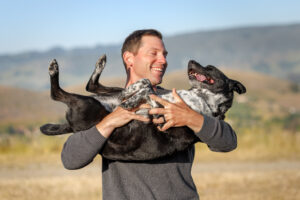 You might be wondering why the sudden focus on leptospirosis? We’re seeing an increase in leptospirosis cases in San Luis Obispo and across California. It’s no longer just a “rural” disease and is showing up in neighborhoods, parks, and urban areas. Leading experts, including the National Veterinary Internal Medicine Board and American Animal Hospital Association now recommend broader protection. It’s a zoonotic disease, meaning it can spread from pets to people. Because of all this, we now recommend the leptospirosis vaccine for all dogs, not just those with high outdoor exposure.
Why Is Leptospirosis a Big Deal?
Leptospirosis isn’t just another mild illness, it can become very serious, very quickly. In dogs, it can cause kidney damage or even kidney failure, liver disease, fever, vomiting, and low energy, loss of appetite, and in severe cases it can be life threatening.
What makes it especially challenging is that early signs can be vague, just a “not quite themselves” kind of feeling. That’s why prevention matters so much.
Is My Dog Really at Risk?
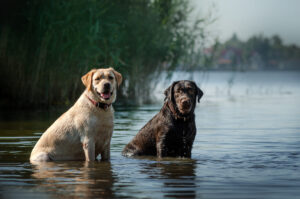 Short answer: yes. Even dogs with pretty low-key lifestyles can be exposed. We commonly see risk in everyday situations like:
- Walking through puddles or damp soil
- Visiting parks or neighborhood green spaces
- Contact with wildlife like rodents or raccoons
- Dog parks, daycare, or boarding
- Shared water bowls on trails or outside businesses
Even if your dog mostly sticks close to home, exposure can still happen.
What Does the Vaccine Schedule Look Like?
The good news is protection is simple. Fully protecting your dog with the leptospirosis vaccine starts with two vaccines, given about 3 weeks apart. Stay protected with an annual booster. Keeping up with boosters is key to maintaining protection over time.



Leave A Comment
You must be logged in to post a comment.