


Animal Care Clinic San Luis Obispo Veterinary Hospital
Provided By: Webster Veterinary Supply
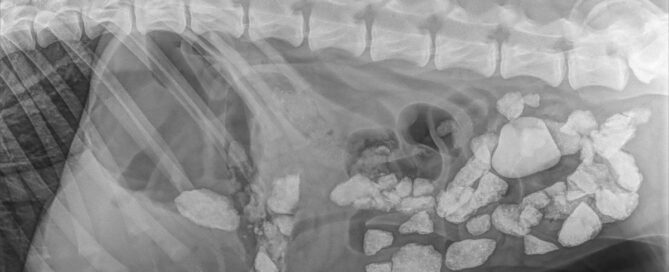
Easter grass. I love Easter baskets and fill mine with colorful artificial grass that really screams, “Spring is here!” If you do the same, remember to keep the Easter basket out of your pet’s reach. Consumption of artificial grass can cause minor gastrointestinal problems like constipation or vomiting OR major problems like intestinal blockages that may require surgical intervention. So, either place the Easter basket in a safe place or opt for tissue paper fillers.
Easter eggs. Both real and plastic eggs can be harmful to your pet. Consumption of real eggs can cause an upset stomach when munched upon and can cause a blockage if swallowed whole. And yes, some dogs gulp without chewing! Eggshells aren’t readily digested so the effects of eating hard-boiled eggs can cause several days of discomfort. Plus, we all know that some people hide Easter eggs in impossible places; however, even if we can’t find them, our dogs eventually will. As the egg stuck under the Azalea bush ages, it smells…and as it smells, it becomes more “findable.” Consumption of rotten eggs never has a good outcome. Plastic eggs don’t spoil, but they also don’t digest which means you’ll be monitoring your dog’s poop until he passes them. And if he doesn’t pass them, you’ll be at the veterinary hospital for assistance. Talk about laying the golden egg!
Easter lilies. What a beautiful hallmark of the Easter season! Lilies at Easter are like Poinsettias at Christmas…. lovely and poisonous. Cats have a tendency to nibble on the flowers and dogs may gobble them up. These flowers are toxic and may cause GI upset (vomiting and diarrhea), lethargy, and kidney failure. If your plant looks a little shaggy and you suspect that your pet has done a little unwarranted pruning, call your veterinarian. The ASPCA has a full list of poisonous plants online.
Easter candy. Yum! Can’t wait to eat the ears off your chocolate Easter bunny? Enjoy your treat, but don’t share it with your cat or dog. Chocolate contains a chemical called theobromine that can cause vomiting, diarrhea, hyperactivity, elevated heart rate and even seizures when consumed by pets. Dark chocolate may be healthier for us, but it’s more toxic for cats and dogs. And some pets don’t remove the foil wrappers before eating their candy, which can worsen the situation. If your pet eats your Easter candy, call your veterinarian for instructions on how to minimize intoxication If you are one of the conservative crowd that has candy with sugar substitute instead of real sugar, good for you….bad for your pet. Sugar substitutes, like xylitol, can be toxic to dogs and cats and may cause a drop in blood sugar, seizures, and liver failure. So, the advice here is the same as always, keep candy out of your pet’s reach.
Real Animals in Easter Baskets. We all see the pictures of fluffy yellow chicks and floppy-eared bunnies advertised in Easter baskets. But what you don’t see is the ten-year commitment they come with and potential health hazards. As cute as they look in the store, they require as much responsibility to own as a cat or a dog. Chicks are popular animals at Easter; those fluffy little chicks quickly grow into full-size birds. They require lots of space, proper care, and they fast become a real responsibility that could take up a large amount of time each day.
Every year, many rabbits are abandoned at shelters a few weeks after Easter. Many parents buy bunnies for their kids’ Easter baskets without fully understanding the responsibility that comes with owning a rabbit. Rabbits are very fragile animals and can easily be injured by an overzealous hug from an excited child. They also have sharp teeth and claws, which can in turn, injure the child. Aside from the dangers of a hug, bunnies grow into adult rabbits very quickly. They require ample indoor space and their care is comparable to that of a cat or a dog. According to the House Rabbit Society, rabbits can live up to ten or more years: a long commitment to proper care.
So instead of purchasing a live chick or a bunny for a child’s Easter basket, consider a stuffed animal instead. The toys are cleaner, can withstand tight squeezes, and you don’t have to wake up at 5am every morning to feed it. Another alternative is to make a donation to a local zoo and sponsor an animal. Many organizations will send you a photo of the animal your donation goes towards that you can put in the Easter basket. Extend the fun of this gift with family trips to the zoo in the spring and summer to visit your sponsored animal. It is a great way to educate children and create a unique and interactive Easter experience. How many other kids at school can say that they got a hippopotamus for Easter?
Above information is referenced from: Dr. Lynn of mypeted.com, Yahoo Easter pet safety, ASPCA, rabbit.org and cdc.gov
Written by Marissa Greenberg, DVM
Dougal is an 11-year-old Labrador mix with quite a story. In November of 2010, his owner was preparing to move to San Luis Obispo from England. Dougal went in for his health certificate to allow him to travel and instead of getting a clean bill of health, the veterinarian diagnosed him with lymphoma-a cancer of the lymph node system. Dougal had been acting fine, no symptoms of being sick, so luckily this was an early diagnosis. But, because of this, he was not able to travel to the U.S. with his owner. He was able to stay in England and start his chemotherapy. Once his lymphoma went into remission, he was deemed fit to travel, and got to join his owner in San Luis Obispo.
That’s when we met Dougal at Animal Care Clinic. Dougal came here so that we could continue his chemotherapy. The protocol that was started in England was a little different than what we usually use here, but we were able to make a few small adjustments and continue his treatments. Dougal handled his treatments very well, and most of the time, you could hardly tell he was undergoing chemotherapy. He did have a side effect from cyclophosphamide, one of the chemotherapy drugs. The drug caused him to have inflammation and irritation of his bladder wall, this is called hemorrhagic cystitis. Luckily, by stopping the use of this drug, his bladder was able to recover. We were able to switch him to a different drug and he was able to successfully complete his entire chemotherapy protocol.
Lymphoma is one of the most common cancers we see in dogs. Unfortunately, we see it most commonly in specific breeds like Golden Retrievers and Labradors. It can occur at any age. The good news for our patients with lymphoma, is that it is one of the cancers that responds the best to chemotherapy. Dogs don’t tend to get as sick as people on chemotherapy, and in most cases, if you walked in to our lobby, you would never guess which patient was getting chemotherapy. I am happy to report that Dougal just came in for his 1-year check up, and is still currently in remission.
If your pet is diagnosed with cancer, please contact us. There are many different chemotherapy options and we would be happy to discuss them with you to find the one that best suits your pet and their cancer, your family, and even your budget.
Written by Marissa Greenberg, DVM
Bruiser is one of the most amazing small dogs I’ve ever met. He weighs less than 8 pounds, but he has traveled more than many people I know, and has been a brave, strong patient through his battle with cancer. Bruiser was born in Germany, and his owner got him while she was stationed at Frankfurt in the Marine Corps. He traveled to Austria, France, Switzerland, Czech Republic, Belgium and Poland. He also lived in Virginia, before coming to CA!
Bruiser is a 10-year-old Long Haired Chihuahua. In 2010, he started rubbing his nose on the floor and rubbing his nose with his paw. He was wheezing and making whistling noises out his nose. It sounded like there were birds in the bedroom at night! He was seen by another veterinary clinic, where it was originally thought that he might have allergies or some sort of infection. Bruiser was started on antibiotics and a few other medications were tried, but nothing was effective and his symptoms continued to progress to the point of having a bulge beneath his left eye. His owner decided to seek out a second opinion and that was when Bruiser came to see Dr. Evans here at Animal Care Clinic. A second opinion is never a bad idea, and medical professionals should never be offended by your desire to seek a second opinion. When Bruiser came to see Dr. Evans, she had suspected his nasal issues might be related to a tumor in his nasal cavity or that he may have a badly infected tooth root.
Because Bruiser was so small, Dr. Evans was concerned that we wouldn’t have small enough equipment to look up his nose, so she referred Bruiser and his owners to Veterinary Medical and Surgical Group (VMSG) in Ventura, CA. VMSG is a veterinary clinic that has several types of veterinary specialists on staff, including oncologists, which specialize in cancer. Dr. Ayl ran several tests on Bruiser, including a CT scan and a biopsy, and unfortunately, diagnosed Bruiser with a nasal squamous cell carcinoma-a type of malignant, and usually aggressive, cancer. The mass was behind his left eye and had destroyed the nasal cavity on the left side and was starting to move to the right side. This was why his breathing was so noisy. Dr. Ayl gave the owners several options for treatment of Bruiser’s tumor.
Bruiser under went five radiation treatments, which took place in Oxnard, and now receives daily oral chemotherapy. He comes to Animal Care Clinic for periodic blood tests and check-ups with Dr. Greenberg, and continues to have regular check-ups with Dr. Ayl. Bruiser has handled all of his treatments amazingly well, and is always a good patient. Because of his owners desire to learn more from a second opinion, and willingness to travel to seek specialty care, he should continue to live a high quality of life for as long as possible. If your patient is diagnosed with cancer, please talk to one of our doctors about possible treatment or referral options. We can help you make the best decisions for you and your pet.
Written by Marissa Greenberg, DVM
Most of us know that vaccines can protect us and our pets against many diseases. Unfortunately for some pets in years past, vaccines have ended up causing them a life-ending problem.
Many years ago, veterinarians believed animals needed to have their vaccines every year in order to be protected against common diseases. For most cats, that meant yearly vaccination for Feline Leukemia, Rabies, and a combination vaccine that we commonly abbreviate CPRT. Vaccines at that time, had an aluminum component in them, and the combination of the aluminum and the frequency of the vaccines was found to contribute to the formation of a cancer called fibrosarcoma. These specific tumors in cats, at the location of their vaccines, are referred to as Vaccine Induced Fibrosarcoma. They usually occur in the shoulder region, as typically, in years past, this is where cats got their vaccines. After veterinarians discovered this correlation, vaccine companies stopped using aluminum, but some veterinarians and boarding facilities still required vaccinations every year. Even without aluminum in the vaccine, some cats still formed tumors in the location of their vaccines. Because these tumors are large and fast growing, in many cases they were too big to remove. In order to try to treat their cancer, veterinarians often would amputate their whole leg, but these tumors often spread across to the other shoulder as well. In order to try to make amputation a more successful option, most veterinarians started to vaccinate cats much lower down on their leg so it would be less likely to cross to the other side.
Sasha was 9 years old when her owner first noticed a mass on her left shoulder around November of 2006. Sasha had been a visitor to a boarding facility outside of this area that was requiring vaccines every year in order to stay there. The mass on Sasha’s left shoulder was biopsied-meaning that pieces of it were sent to the lab for evaluation. The pathologist determined that it was likely a Vaccine Induced Fibrosarcoma. Sasha and her owner went for a consultation with a veterinary oncologist. She had a CT (or CAT) scan. This determined that her mass did extend across from her left to right side. This meant that surgery to amputate her left leg would not cure her disease. There are not very good options to treat this kind of cancer, and so, we worked to keep Sasha as comfortable as possible living with a quickly growing tumor. Though her tumor looked ugly to us, she was a good example of how brave our four legged patients are-she was still a happy cat and allowed us to provide creative ways to protect her mass from her own nails as she would try to scratch at it. Sasha lost her battle with cancer on May 27, 2007, though her case allowed us to inform the boarding facility of the real risks of requiring yearly vaccines.
At Animal Care Clinic, we do give vaccines as low down in the leg as possible, as well as standardizing which vaccine goes in which leg to be able to track any reactions pets may have. Our vaccines do not have aluminum in them, and we tailor our vaccine program to each individual animal, and adult cats, if they need it, are only vaccinated every 3 years. Because of these practices, we rarely see Vaccine Induced Fibrosarcomas anymore
If you are concerned about a mass on your cat or dog, please schedule an appointment to see one of our doctors.
Written by Marissa Greenberg, DVM
Kaia is a 10-year-old Boxer. Unfortunately, boxers are a breed predisposed to many kinds of cancers. One of those is a cancer called a Mast Cell Tumor. Mast cells are a kind of cell that is found in many types of tissues in the body, including the skin. They have little granules in them that contain a product most people are familiar with, called histamine. Histamine is what is responsible for allergies and allergic reactions. Medications like Benadryl, which many people take for allergies, are called anti-histamines.
Mast cell tumors come in all shapes, sizes, and forms. In veterinary medicine we often call them the great pretender or imitators, as they can look like anything. When we see a skin mass on any dog, it should be sampled with a procedure called a fine needle aspirate to see if there are mast cells present, as these tumors can be very locally aggressive, and can spread to other organs (metastasize) and cause many issues for an animals whole body because of the histamine they can release.
Kaia came to see us in November of 2006 with a new skin mass on the back of her right hind leg. A fine needle aspirate was done, and it was confirmed that this mass was a mast cell tumor. Ideally, mast cell tumors are removed surgically with a good margin of what appears to be healthy tissue around them. This is because even from where we can feel a mass extend to, the cells often go past this. In order decrease the chances of a mast cell tumor re-growing, we have to try and get all the cells. Because of the location of Kaia’s mass, a surgeon performed a special surgery to remove the mass and to stretch her skin to be able to close the hole that remained once the mass was removed. Some nursing care and bandages were required to allow Kaia to heal. She did quite well after this surgery.
Though Kaia’s mass has not re-grown in that location, many dogs that have one mast cell tumor often develop others. In March of 2010, Kaia came in with a new mass on her tail. This mass looked and felt different than the mass on her leg, but again, it was sampled with a fine needle aspirate and suspected to be a mast cell tumor. In order to confirm this, larger samples were taken for the labs, and it was in fact another mast cell tumor. Again, it was in a difficult location to be removed, and amputating her tail was considered. Her owner chose to not put her through more surgery. Kaia developed yet another new mass that is suspected to be a mast cell tumor on her right elbow in June of this year. Her owner has decided to treat Kaia in a conservative manner-she is on medications that should limit the side effects of mast cell tumors, and may even help to shrink them and keep them from growing larger.
Mast cell tumors are one of the most common types of skin cancer we see. For more comprehensive information about them, please check out this web site from my own Alma matter, Washington State University College of Veterinary Medicine. http://www.vetmed.wsu.edu/deptsOncology/owners/mastCell.aspx
And if your dog has any skin masses, please schedule an appointment with one of our doctors to have it evaluated.
Written by Marissa Greenberg, DVM
I have had my dog, Slink, for almost 12 years. I adopted her from the pound and I think that she was about 1 year old when I got her. I can’t believe that she is at least 13! Luckily, she has been in relatively good health, but she is starting to show signs of her age. She can’t see at night anymore, so I have started to put a light on her collar to allow her to have a little more confidence on our walks in the evenings.
Slink has spent a lot of time with me off leash because she has always been such a good dog. She has gone hiking with me, riding on the trail with me, and to the beach. She can’t hear very well, which is definitely the hardest part of the aging process for both of us. Because she can’t hear me when I call her to come, I can’t let her off leash anymore. Unfortunately this means no more hiking, or trail riding or going to the beach off leash. We’ve made some adjustments-she can go on hikes but stay on leash, and she still can go on runs with me and can go several miles without getting tired. She is able to still get plenty of exercise and stay fit and trim, even without being able to run around off leash.
Slink is showing a few signs of aging that are part of the normal aging process for all of us. But, some dogs (and cats) can have other symptoms that can be something called Canine Cognitive Dysfunction. Symptoms of this include changes in activity level, changes in eating or drinking, changes in sleeping, changes in behavior like new aggression or anxiety problems, mistakes in housetraining, inability get around in their familiar surroundings, or failure to recognize familiar people. Some of these dogs might get “stuck” in a corner or go to the wrong side of the door to try and get outside. Some dogs that have Canine Cognitive Dysfunction can show improvement with a drug called Selegeline. Other nutritional supplements might help them as well. Dr. Natasha Lilly, our veterinarian trained in acupuncture and herbal medicine might be able to help you come up with a plan for your pet if they have Canine Cognitive Dysfunction.
In order to help determine if your dog is just showing signs of normal aging, or might have symptoms of Canine Cognitive Dysfunction, there is a rating scale online that can help. The website is www.maturedogs.com. If you take this assessment and/or are concerned about your dog, please schedule an appointment with one of our doctors so that we can help you and your dog through the aging process. Like me, I am sure that you want to help your four-legged friend enjoy their glorious golden days for as long as possible!
There are so many interesting news stories out there about pets and other animals, veterinary medicine or other animal related topics! Each week we’ll be gathering some stories that might be interesting to you, so keep posted each week for new stories! Hopefully you’ll find the information is some of these articles useful and interesting!
•”Veterinary Q&A:Knee Problems in Dogs” – Understanding and treating knee problems in dogs
This is a great article explaining luxating patellas in dogs, symptoms, treatment options and much more!
•”Vet Report Gives Tips on How to Provide Salmonella Infections”
A report in the Journal of the American Veterinary Association gives tips on how pet owners can keep themselves and their pets safe from salmonella infections. Several pet products have been recalled in recent months due to salmonella issues and with many owners also feeding raw diets, possible salmonella infections is something any pet owner can be at risk for.
More people are bringing their dogs on road trips. Safe and proper restraints are being increasingly recommended by some animal advocates and law enforcement agencies which can reduced distracted driving that may lead to injury of both owners and pets.
Veterinarian John Beck describes tips on how to check a dog’s or cat’s vital statistics.
Here’s a story of a dog that ate some abandoned marijuana while on a hike. Luckily this story ended well for Lily, but it does not always end well for all.
• Pet owners push back against rule banning joint human-pet burial
A recent ruling by New York state’s Division of Cemeteries has some residents up in arms who want to be able to share a final resting place with their pets.
It’s becoming more common for pets to play an important role in their owner’s wedding day, so much so that some wedding planners are incorporating this into their business.
There are so many interesting news stories out there about pets and other animals, veterinary medicine or other animal related topics! Each week we’ll be gathering some stories that might be interesting to you, so keep posted each week for new stories! Hopefully you’ll find the information is some of these articles useful and interesting! Since this week is International Assistance Dog Week, all of these recent stories about dogs that have been an assistance dog in one way or another.

The "Owney" Forever Stamp
•”These are Dog Days at the Post Office” – Legendary postal service dog gets his own stamp
Learn about why “Owney” the dog is getting his own Forever Stamp with the U.S. Postal Service. He was one of several dogs that carried letters and packages in the days of the Old American West.
•”Canines Trained to Help People with Diabetes” – Canines get new lease on life as diabetic-alert dogs
The nonprofit CARES, or Canine Assisted Rehabilitation and Education Services, is a relatively new organization that trains dogs to act as alert systems for people with diabetes. These dogs are able to smell when their human partner has low blood-sugar levels, before those humans know.
•”The Human-Canine Bond: Can Play Cure PTSD in Dogs
Just as people can get PTSD from traumatic situations dogs put through situations like war zones, violent crime scenes and abusive homes can suffer from a similar condition. Just as pets have been shown to help people get through, so have humans been shown to help dogs get through.
•”Dogs Get Chance at New Life” – 2 rescued dogs win spots in police-dog training program
Two lucky dogs have been chosen from the Franklin County Humane Society to be dogs in training candidates for a Virginia Police Dog program.
•”Honey, Stop the Car: Monuments that Move” – Smokey the Terrier
Smokey was a Yorkshire Terrier that was a hero of World War II. His help kept American soldiers from being put in danger.

Rocky has a new lease on life after his military service and losing the use of his hind legs.
•”Military Dogs Enjoy Brighter Future After Service” – There’s New Life After War For Military Dogs
Military working dogs were once euthanized after their service was over, but now their handlers are putting pressure on the military to adopt them when their duties are over.
There are so many interesting news stories out there about pets and other animals, veterinary medicine or other animal related topics! Each week we’ll be gathering some stories that might be interesting to you, so keep posted each week for new stories! Hopefully you’ll find the information in some of these articles useful and interesting! This week we have some articles specifically related to cats!
•”Does Your Cat Eat Strange Things?” – Unusual eating habits in cats warrant a veterinary visit
Ever heard of the disorder called pica? This is when animals eat unusual nonfood items. It has even been tied to a few clinical illnesses like feline immunodeficiency virus and feline leukemia. If your cat eats unusual items, this may warrant a trip to the vet for several different reasons.
•”Can Classical Music Calm Cats” – Does music soothe the savage feline?
At Colorado State University a veterinarian and psychologist are pairing up to study if classical music will calm cats. They will be looking to see if they are less stressed, which can be beneficial since calm cats are much easier for vets to examine both on the person and the cat.
•”Pet Talk: Fat Cats Indeed are Developing Diabetes” – Report: Feline diabetes is on the rise as cats get fatter
According to a report from Banfield Hospitals, there has been a 16% rise of diabetes diagnosed in cats since 2006. It is on the rise in dogs as well. Gaining weight through eating more and exercise less is the most likely contribution to the reason why. There may be others factors involved, but regardless it is important to feed both dogs and cats a little less and get them moving more.
•”Veterinary Q&A: Vaccinations for Indoor Cats” – What vaccines do indoor cats need?
Dr. Matt Mickas from Washington State University explains the vaccines the cats need even if they are indoor only and the reasons why they are important.
•”Kitten Survives 50-min Wash Cycle”
Cats like small dark hiding spaces, so be sure to check that your kitty doesn’t jump through the door while your back is turned. It could lead to an unfortunate experience. Fortunately this kitten turned out okay after a night of hospitalization at the vet.
•”Once 35 lbs., ‘Biggest Loser’ of cats now weighs 29″ – Obese cat loses the equivalent of 100 human pounds
Otto, short for Ottoman, is so obese that his little heart and lungs have been working overtime to keep Otto going. He has also developed arthritis from bearing the extra weight. Otto has a new lease on life since his owners surrendered him to his vet and they have started him on his weight loss journey.
There are so many interesting news stories out there about pets and other animals, veterinary medicine or other animal related topics! Each week we’ll be gathering some stories that might be interesting to you, so keep posted each week for new stories! This week’s articles are all related to animal behavior. Training tips, techniques and behavior problems are some of our most common questions. Hopefully you’ll find the information is some of these articles useful and interesting!
•”Petless People: A Breed Apart?” – Studies ID differences between pet owners, non-owners
Statistics from the American Veterinary Medical Association is showing that there are fewer people that do no own pets and the number of pet-owning household has increased. Medical sociologist Joan Liebmann-Smith has revealed through recent studies that the two groups of people differ in other ways including quality of health, social and nurturing abilities.
•”Conference raises awareness about specialized pet care” – Colo. forum highlights the role of veterinary specialists
A recent conference, held last week in Colorado, held a forum to promote public knowledge about the role of veterinary specialists in their pet’s healthcare. Small-animal internist Sandy Willis encouraged pet owners to talk to their own family veterinarians about seeking referrals to specialists saying, “In the Long run, their quality of life is going to be amazing, and it actually costs less if we figure out what’s really going on.”
•”Mammals Smelled Their Way To Bigger Brains” – A scents-able explanation for bigger mammal brains
Humans are not alone in the relatively large brain size compared to body size. Most mammals are the same way. A researcher at the University of Texas has now shown that through evolution, as brain size grew the biggest increases were the area of the brain that controls smell.
Many families with autistic children are finding that having a dog in the house makes a big difference in life. Benefits help with language abilities, calming tantrums and just in general interpersonal communications and family relationships.
Veterinarians are generously donating their time to helping in veterinary care for dogs in a program at State Correctional Institution Muncy to do basic obedience training for service dogs with the non-profit organization, Canine Partners for Life.
This article explains the treatments of a couple pet owners that turned to holistic medicine as an alternative.
Animal therapy is gaining in popularity within hospitals and hospice care as it has been shown to provide physiological benefits, including lower blood pressure and reduced feelings of anxiety, depression and isolation.
•”Living with pets may protect infants from allergies”
It’s looking like timing could be the key to preventing allergies in children. ”"Dirt is good,” says lead researcher Ganesa Wegienka, Ph.D., summing up the theory. “Your immune system, if it’s busy with exposures early on, stays away from the allergic immune profile.”"
In a New Jersey hospital, researchers have found that patients suffering from heart failure are having better outcomes after interaction with dogs. A dog vs. a nurse is much more likely to get people out of bed and doing therapy walks.
There are so many interesting news stories out there about pets and other animals, veterinary medicine or other animal related topics! Each week we’ll be gathering some stories that might be interesting to you, so keep posted each week for new stories! This week’s articles are all related to animal behavior. Training tips, techniques and behavior problems are some of our most common questions. Hopefully you’ll find the information is some of these articles useful and interesting!
This week we have a bunch of articles relating to summertime! Here are some articles on summertime tips, traveling with your pet, mosquito season and pet-friendly hotels.
“What to Know When Traveling With Your Pet” – Tips for ensuring pet safety during summer travel
Travel has increased in recent years as more U.S. owners opt to take their animal companions along for family trips, and so has incidents involving pets. This article from the New York Times offers tips for keeping pets safe during travel such as providing the right carrier, booking flights early and keeping pets in comfortable kennels.
“Buttoned Up: Pet care requires planning” – Tips to keep pets safe and cool all summer long From a blog aimed at taking the stress out of busy women’s lives,this article lists5 items to check off your list to make sure everything is in order for your pet this summer.
“How to keep Fido clear of summer hazards” - Keeping dogs safe in the summer heat Summertime means outdoor fun for both pets and their people, but it also can present hazards for dogs in the form of such things as overheating and sunburn. This article offers tips for protecting pooches from summertime perils by providing them with easy access to water and shade, taking them out for walks in the late afternoon or early morning and keeping them clear of outdoor grills while they are in use.
“The New Science of Understanding Dog Behavior” - Expert offers advice on keeping dogs happy From National Public Radio, here’s an interesting article extracted from a Fresh Air segment. Keeping dogs psychologically healthy requires a great deal of responsibility from canine owners, says animal behaviorist John Bradshaw and author of a book titled “Dog Sense: How the New Science of Dog Behavior Can Make You a Better Friend to Your Pet.”
“Keep your four-legged friends safe this summer driving season” – Safety should be a priority for owners traveling with pets Many pet owners will be among those who hit the road this summer for a holiday with their families and furry companions, alike. Car travel with an animal can be distracting for humans and uncomfortable for the pet. This article offers a series of tips, attributed to the American Veterinary Medical Association (AVMA), for making vehicular travel easier and safer for all.
“Pet Talk: Heartworm prevention needed now more than ever” – Columnist: Heartworm is now found in all 50 states Heartworm is a parasite that was once thought to be found primarily in the Southern United States, but not any more. It has now been found in all 50 states, making it important for pet owners to know about it and protect their pets as protection is much easier than treating this horrible parasite especially during the height of mosquito season.
“Why It Pays for Hotels to be Pet Friendly” – More hotels find pet-friendly policies pay off Being pet-friendly is good for business in hotels as more people are traveling with their pets. Hotels that opt to accept pets along with their people often see higher occupancy rates and are providing extras like treats and directions to nearby parks for owners.
There are so many interesting news stories out there about pets and other animals, veterinary medicine or other animal related topics! Each week we’ll be gathering some stories that might be interesting to you, so keep posted each week for new stories! This week’s articles are all related to animal behavior. Training tips, techniques and behavior problems are some of our most common questions. Hopefully you’ll find the information is some of these articles useful and interesting!
“This Business Grows Every Time Fido Does His” – Growing pet populations feed the need for scooping services
The U.S. pet dog population has tripled since 1960, bringing three times the animal waste along with it. About 500 small local companies and three national pooper-scooper franchises are capitalizing on consumers’ desire to have someone else clean up after their dogs. Many of the companies highlight the public health benefits of having the waste properly removed, to keep it from spreading parasites to humans and other animals and prevent it from washing into water bodies and feeding algae blooms that kill fish.
“Spring allergies” – Pets are prone to seasonal allergies
Allergies are a problem right now for people and pets. Allergies can be exhibited in problems with skin, ear infections, and respiratory issues. Owners should see their vet if your pet is exhibiting excessive scratching, hair loss, chewing, and inflamed or raw skin.
“When a Pet’s Love is all You Have Left” – Caring for the pets of newly homeless people
A growing number of people in Portland, Ore., are finding themselves newly homeless and living on the streets with their dogs. Shelters in the city and many others across the country don’t allow people to bring their pets, so owners opt to keep the bond with their animals and brave the great outdoors. Volunteers including Amy Sacks, founder of The Pixie Project, have increased their outreach efforts to help homeless pet owners find free clinics for spaying and neutering, vaccines and other basic veterinary care.
“Just a dog, yes, but he taught our dog the perils of skipping doctor’s visits” – Dog’s dental damage highlights dangers of skipping veterinary visits
This family put off veterinary care for their dog, knowing what needed to be done, but other seemingly more pressing matter kept popping up. This family learned the hard way that sometimes it is cheaper to take care of the issue before it blows up into a bigger problem.
“Help your pet deal with aging issues” – Tips to make life easier for aging pets Learn way to make life a little easier for aging pets as arthritis and hearing loss begin to kick in. Make the transition through life stages easier on you both.
“Mama Moose and Jack” - Human-animal bond is applicable to more than just domestic pet This is a great story about a college girl befriending a moose! Not a likely pairing!
“Running with Fido: Looking for a reliable training partner? Here’s some tips for jogging with your pet” – Tips for safely starting a running regimen with your dog Running together can give you and your dog a good workout, provided the animal is of an age, size and breed that’s well-suited to the exercise. Start with a visit to the vet who knows your dog and have the animal thoroughly checked out before beginning, advises AVMA President-elect Rene A. Carlson.
There are so many interesting news stories out there about pets and other animals, veterinary medicine or other animal related topics! Each week we’ll be gathering some stories that might be interesting to you, so keep posted each week for new stories! This week’s articles are all related to animal behavior. Training tips, techniques and behavior problems are some of our most common questions. Hopefully you’ll find the information is some of these articles useful and interesting!
Behavior:
•”Dog pee – it’s kind of their Facebook profile“ – A study recently published in Animal Behaviour found that female dogs are just as likely to mark with urine as males. Much of this has to do with pecking order.
•”Canine Corner: Human intellect is key to avoiding incidents with stray dogs“ – Read more here about dog bit prevention. Broad estimates show that 10-12% of dog bites are from strays, so learn how to avoid dangerous encounters.
•”Hope for dogs with storm or noise phobias“ – A common phobia dogs have is being scared of the noise from storms. This article has some helpful information on how to help your four-legged friend cope with and get over their storm phobia.
•”Female Dogs Aren’t Easily Fooled“ – In a research project aimed at studying physical understanding of objects dog’s see showed results researchers weren’t expecting. Male dogs tend to use scent more and female dogs paid closer attention to what they could see.
•”Declawing cats should be a last resort“ – This article explains the surgery of declawing and some things about it many people may not know. The veterinarian also explains some other options to try before using declawing as a last resort option.
•”Pet Talk: Curb your cat’s conniptions at the vet“ – It is very common for cats to throw tantrums when they visit the vet, especially if they are not exposed to other people frequently. Learn some tips to make your cat’s vet visits less interesting, which will make the entire experience easier on you, your vet, and less stressful for your cat.
•”MRI Anxiety Eased by Therapy Dog” – One 16-year old girl found that when she needed an MRI because of frequent headaches it helped to calm her by petting her dog for 15 minutes prior, allowing doctors to get better quality images because this is such a motion sensitive test. Since then many other patients have benefitted from the same therapy.
•”Cats rub to say ‘Hi’ not ‘I’m Hungry‘” - With pet obesity on the rise, it is important that we read cues from our pet’s well. Don’t mistake your cat rubbing against your leg to mean that they want food.
•”Start socializing puppy before completing vaccination schedule“ – Don’t wait for the final round of vaccines to begin socializing your puppy, as this period is the most important and influential time for socialization. Instead find a puppy kindergarten class and start around 7-8 weeks old if possible.
•”When owners stay, the cat’s can play“ – Regular interactive playtime with your cat can reduce boredom, misbehavior and even keep your cat healthier!
•”Kittens learn to be class acts at kindergarten“ – Trainers and veterinarians are beginning to offer Kitten Kindergarten classes across the U.S. Classes are designed to help with behavior and social skills that will make for a happier adult cat.
•”So long litter-box: These cats are potty-trained!“ – Learn how to train your cat to use the toilet instead of a litter-box. IT can be done, but takes planning and patience!
There are so many interesting news stories out there about pets and other animals, veterinary medicine or other animal related topics! Each week we’ll be gathering some stories that might be interesting to you, so keep posted each week for new stories!
Healthcare and Prevention:
•”Parasites can spread from pets to humans” - Pets can spread parasites to people, but regular checkups and preventive care can prevent these zoonotic diseases. This article mentions the most concerning parasites, who is most at risk and how to prevent disease transmission.
•”MU researchers pioneer animal diabetes treatment” - University of Missouri veterinarians are designing a device that can track glucose concentrations over a 3-day time period, allowing vets to make better decisions on care and diabetic management.
•”13 Foods Never to Feed Your dog“ – We all like to indulge our pets, but it’s important to make sure those foods are safe as there are some human foods that can be harmful to dogs!
•”What to do when you suspect your pet is in pain but is hiding it“ – The difficulty veterinarians have is our patients cannot tell us exactly how they feel and what is wrong. Learn some signs to look for that you may not realize can be a clue that your furry friend is in pain or uncomfortable.
•”Exercise and the couch-potato pooch” - Similar to their human owners, about 65% of dogs are overweight!
•”Exercise you pooch and both of you will lose your paunch“ – Consider your dog’s breed to determine the best exercise regimen for your pooch so that you can both get healthy and keep from pushing your pet beyond it’s limits.
Pampering Pets and Fun Stuff:
•”Dog Massage? Isn’t Petting Enough?” - Though there is little scientific evidence and research that supports massage therapy, many pet owners believe it can offer the same benefits that people enjoy.
•”Spoiled Pets: 6 Ways to Pamper Pets” - Most U.S. families consider their pets as another family member and extend certain luxuries to their canine/feline family members.
•”When the Fur Doesn’t Fly“ – Pet-stay facilities convenient for air travelers.
•”Japanese couples enlist pet dogs as canine ‘witnesses’ in marriage ceremonies” - As the pet industry grows in Japan, one hotel is offering couples a “dog wedding” package.
•”Pick a Pet: How to choose the right dog for your children“ – The American Veterinary Medical Association estimates that 37% of families have pets. Children with pets tend to get more exercise, but there are some things to consider before jumping in!
•“How to grow a beautiful, yet dog-safe garden“ – If your dogs roams your backyard with access to your garden and other plants, make sure there are not any plants that could be poisonous and choose pesticides that are safe to your pets.
There are so many interesting news stories out there about pets and other animals, veterinary medicine or other animal related topics! Each week we’ll be gathering some stories that might be interesting to you, so keep posted each week for new stories!
•“Pets show signs when they aren’t well, doctors say” - How do you know when your pet is sick?
•“Cummings School students train to respond to animals in danger during disasters” – Course gives veterinary students a taste of doctoring in a disaster
•” ‘Dr. Google’ not always best when pets are ill” – Internet info doesn’t replace reliable veterinary care
•“Veterinary Q&A: Why does it cost so much to clean a dog’s teeth?” – A veterinarian explains why teeth-cleaning costs vary
•“Dr. Elizabeth Bradt: Dangers of pet dentistry without anesthesia” – Dentistry without anesthesia may do more harm than good
Acupuncture is most associated with ancient China where it is rooted in TraditionalChinese Medicine (TCM). The first written record of acupuncture is found in a 2,700 year-old Internal Medicine text, and exists as one of the oldest medical texts in the world. The first veterinary text was written in China around 450 BC, addressing the treatment of horses with acupuncture and TCM herbal medicine. Today, acupuncture is practiced world-wide, from extremely rural locations to areas where sophisticated western medicine is the standard of care.
The practice of acupuncture employs solid metallic needles for skin penetration.Needles are placed in specific points that effect various changes in the body to aid in healing injuries or disease conditions, decrease pain, stimulate or regulate immune responses, and/or help decrease anxiety or behavioral issues. Research involving acupuncture has shown physiological responses in the body including increased blood and lymphatic flow, stimulation of nerve function, increase in the release of neurotransmitters, influence of inflammatory responses and stimulation of hormone release. It can be used to treat a variety of conditions. Some of the more common conditions for which acupuncture is used in veterinary medicine are listed below.
•Musculoskeletal Conditions- arthritis, spinal disease, trauma, muscle atrophy problems
•Immune system disorders- allergic dermatitis, chronic allergic diseases, lick granulomas, chronic skin conditions
•Neurologic problems- nerve injury, paresis, paralysis, degenerative neurologic conditions, seizures
•Systemic diseases/urologic diseases- chronic kidney disease, liver disease, incontinence
If you have questions about acupuncture or think your pet may benefit from treatment, please call us or come by!
There are so many interesting news stories out there about pets and other animals, veterinary medicine or other animal related topics! Each week we’ll be gathering some stories that might be interesting to you, so keep posted each week for new stories!
Impacts of Veterinary Medicine with Human Medicine:
• “Human Studies Might Benefit Zoo Animals” - Zookeepers can incorporate information learned from human research to better care for nocturnal animals that spend time in displays that recreate night and vice versa.
• “Simple Injection Could Cure Cat Allergies” - Researchers are formulating a vaccine that may help lessen cat allergy symptoms in people. This injection could equal the effect of a year’s worth of allergy shots!
• “MU Dog Study May Hold Parkinson’s Clue” - A finding of researchers from the University of Missouri, could provide insight to human hereditary Parkinson’s.
• “Big Blue’s Tiny Bug Zapper” – Researchers develop a nanoparticle that shows promise to work against superbugs that have become resistant to antibiotics.
• “Man’s Best Friend: A Joint Tumor Marker in Man and Dog” – Austrian researchers found a common tumor marker in both species in studying breast cancer with hopes to develop therapeutic procedures.
Advances in Veterinary Medicine:
• “Pet Vet: Cancer in Pets” – The life expectancy of pet’s with cancer has increased from available treatments in surgery, chemotherapy, and radiation.
• “Surgeon Says Paw Implant Goes Well for Husky Zeus” – Read about this Husky that underwent a four-hour surgery for a new prosthetic front paw.
• “Algae for Pet Health: An Integrative Approach” – Read about a veterinarian’s experience with using algae as a supplement to help with some veterinary medical conditions in pets.
• “A Look at the Alternative” - Alternative and complementary medicine is becoming all the rage with many veterinarians expanding their knowledge and pet owners asking for more care options. The AVMA has guidelines for these therapies including acupuncture, botanical medicine and massage therapy.
• “English Springer Spaniel Stray Beats Cleft Palate” – An English Springer Spaniel stray beats the odds with a rare birth defect and the help of U.C. Davis.
Miscellaneous:
• “Mexican School Joins an Elite Group” - The National Autonomous University of Mexico School of Veterinary Medicine and Animal Husbandry was granted full accreditation by the AVMA Council on Education in early March!
• “When Pets Outlive Owners, ‘Retirement Homes’ Offer Refuge” - As pets are living longer, some facilities and vet schools are offering care or new homes for animals left behind.
• “Why Some are Devoted to Grandpuppies” – As the human-animal bond has increased in the modern age, many people consider dogs as members of the family, especially in childless households.
There are so many interesting news stories out there about pets and other animals, veterinary medicine or other animal related topics! Each week we’ll be gathering some stories that might be interesting to you, so keep posted each week for new stories!
This week:
Service Dogs
There are several articles here about different types of service dogs. Anything from helping retired service men detect seizures, detecting low blood sugar in diabetics to helping students cope while at school! There sure are some amazing things that dogs do to help us!
•Police dogs provide cops with additional capabilities
•Therapy dogs gain in popularity at U.S. campuses
“Checking Out Monty: Yale Law Students can Reduce Stress with Therapy Dog”
“For Law Students with Everything, Dog Therapy for Stress”
•Service dogs provide valuable help for returning veterans
“Service Dogs Warns Veteran of Coming Seizures”
“Service Dogs Provide Comfort for Veterans Back from War”
•Some diabetes sufferers look to dogs for assistance
Veterinary Care During Economic Downturn
The economic downturn has hit people across the U.S. in many different ways. There’s unlikely a single person who could say it hasn’t impacted them in one way or another. Here are a couple interesting articles on how it has affected people with their pets.
•Pets continue to suffer in economic downturn
•Americans are spending more on their pets, despite tough economy
Spring is Here!
From allergies, springtime flowers to spending more time outside there are many ways are pets can accidentally get themselves into trouble! Here are some great articles on coping with allergies, discouraging digging, and preventing poisoning by some popular spring time flowers and plants.
•Helping pets cope with allergy season
•AKC expert offers tips to keep dogs from digging
•Spring flowers can prove a potent poison when ingested by pets
“Pet Owners Beware Some Trees and Flowers”
“Veterinarians Caution Pet Owners: Dangers At Easter Time”
“Unleashed: Celebrate Easter, but be wary of dangers to your pets”
There are so many interesting news stories out there about pets and other animals, veterinary medicine or other animal related topics! Each week we’ll be gathering some stories that might be interesting to you, so keep posted each week for new stories!
This week:
Human and Animal Health
Health of humans and our fellow mammals can be very closely related. No matter whether it’s how our lives interact and impact that of wild species (or vice versa) or discoveries that have been made through scientific studies, there are many important ties. Today we have some recent stories that showcase our relationship.
“Under-the-radar tick diseases spreading across the U.S.”
“Uncontrolled disease in dogs threatens wildlife, humans in remote B.C. areas”
“Shar-Pei Dogs Shed Light on Human Fever Syndromes”
“Supermoon Lunacy: Does the Moon Make Us Crazy?”
Exotic Animals & Livestock
Here are some fun stories about veterinarians and animals that we do not regularly interact with at Animal Care Clinic. How many vets does it take to examine a gorilla? How does body language relate to communication 101 with livestock? How do you fix a hawk’s broken wing or treat glaucoma in an elephant? These are some stories you’ll learn about below!
“Veterinarian helps put red-tailed hawk back in the air”
“Dancing with sheep or cattle takes practice for producers”
“Paignton Zoo’s elephant Duchess has glaucoma”
“Gorilla checkup provides international insight”
Human-Animal Bond in History
There have been several stories recently about archeological findings of the relationship between man and dog that goes way back! This is a bond that goes further in history than many originally thought!
“Indians, dogs were companions in life and death centuries ago”
“Clues dug up: France and lap dogs go way back”
“Millions of Mummy Puppies Revealed at Egyptian Catacombs”
Natasha Lilly is joining the ACC team this April, 2011. She is a California native who grew up in the central valley. She first fell in love with the San Luis Obispo area as an undergraduate at Cal Poly studing Animal Science on the pre-veterinary track. In 2008, Natasha completed her DVM studies at UC Davis with an emphasis in equine medicine. She initially went to work outside of Chicago in an equine sports medicine practice. After becoming disappointed with the options to treat our atheletes, she began taking an interest into complementary medicine, especially acupuncture. She attended an equine and small animal acupuncture certification course through IVAS in 2009-2010. She was then mentored and worked for an established acupuncturist and complementary medicine DVM in Chicago, Dr. Barbara Royal. In Dr. Royalʼs small animal practice, the emphasis was on blending Western and Eastern medicine practices in treating every patient.
In addition to complementary medicine, Natashaʼs special interests include advanced imaging and nutrition. She also enjoys supporting rescue groups and humane societies and spent time doing so with the largest No-Kill shelter in Chicagoland, PAWS Chicago. She enjoys spending time with family, riding and showing her jumper, Bleu, trail riding on her ranch horse, Ben, road biking, hiking, jogging and traveling. Natasha, her husband and their one year-old son live with their 2 horses, and 2 dogs, Kona and Copper, on a ranch in Edna Valley.
Written by Marissa Greenberg, DVM
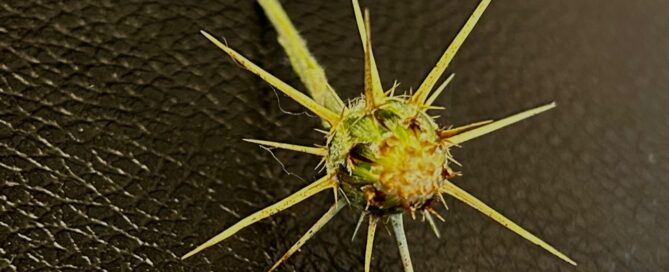
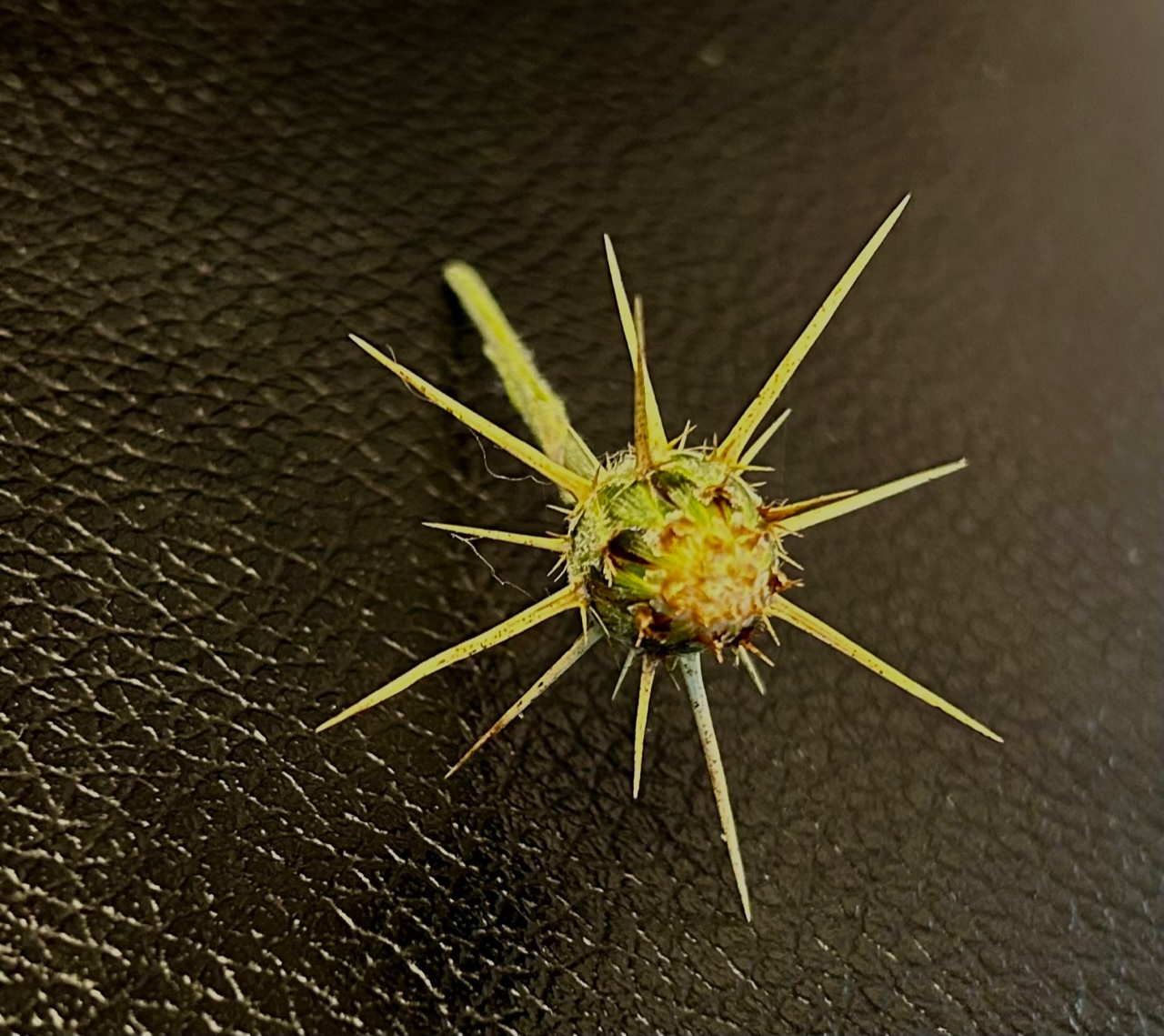
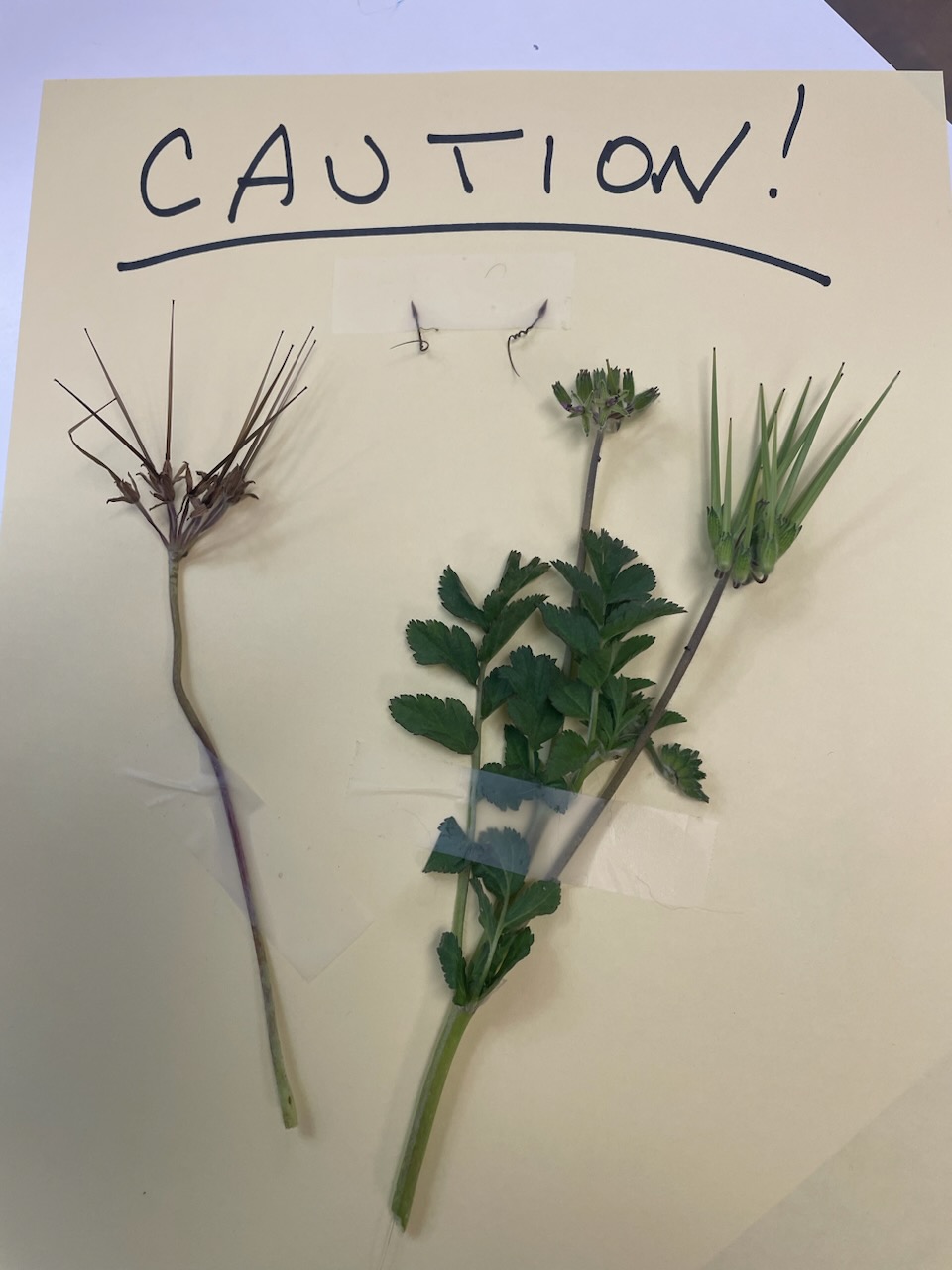
Spring seems to have arrived on the central coast! We’ve got green hills, wildflowers blooming, beautiful weather, and longer days. With spring comes a potentially serious hazard for our four-legged friends that we call foxtails. Foxtails are a term we use to describe the dried up prickly plant material that likes to stick to our socks. The problem with foxtails is that they also are very attracted to dogs and cats and they tend to only travel in one direction because of their barbs. We commonly take foxtails out of the ears, eyes, noses, and from in between the toes of dogs, and sometimes cats. We’ve already had our first few of the year! It may be very green out there still, but beware the foxtails are lurking. Because we had so much rain this year, there is a lot blooming, which means a lot that will dry out and be potential hazards for our pets. Below is some information on the most common problems we see from foxtails
Signs that your pet may have a foxtail in their ear include a sudden onset of intense head shaking, holding their head tilted to the side, or crying out if their ear is touched. These are all very similar signs to an ear infection, and sometimes it can be difficult to distinguish one from the other. One of our doctors will need to look down the ears, which most pets don’t particularly like. If there is a foxtail in an ear, often times, we need to sedate the animal to safely remove it without damaging the eardrum.
Animals that have foxtails in their eyes usually are squinting, rubbing at their eyes, and have discharge from their eyes. Our doctors will usually put a drop of a medication that will numb the eye so that we can more easily look under the eyelids and remove any foxtails. Often the foxtail has rubbed across the cornea, causing some damage to it, so most animals will go home with eye medications.
Foxtails that make their way up a dog’s nose can be quite frustrating! Some make it very obvious by sneezing very violently, constantly and having bloody discharge. Others may do this initially and then stop sneezing, it can be hard to tell if they sneezed out the foxtail or if it is just lodged in a spot that isn’t bothering them enough to cause sneezing. The doctors have a few tricks to help them try to decide if there really is something still in the nose. Dogs will need to be sedated, and often fully anesthetized, to be able to look up their nose and remove any foxtails. Even then, sometimes it can be very difficult to see that it has all been removed because there can be a lot of inflammation and blood up the nasal cavity. Some dogs may have to be anesthetized a second time to look up their nose again if their symptoms don’t improve.
Long- haired dogs often get foxtails stuck in the hair between their toes, and then they like to start to burrow into their skin. They can make some pretty yucky infections and can sometimes be difficult to find because they can migrate around through different tissues. These patients will often need antibiotics and potential follow up visits.
So be careful when out hiking for lurking foxtails. You may even want to feel between the toes to make sure there are none hitchhiking and to remove them before problems arise. If you notice any of the previously mentioned symptoms with your four-legged friend, don’t hesitate to call or come by and we will come up with a plan to remove those pesky foxtails!
There are so many interesting news stories out there about pets and other animals, veterinary medicine or other animal related topics! Each week we’ll be gathering some stories that might be interesting to you, so keep posted each week for new stories!
This week:
Human-Animal Bond
• Losing a pet is always difficult. No matter what kind of pets you have cared for, we can all relate to how the loss of a beloved friend affects us. The following articles are each from a different perspective. The first from the person who lost their pet. The second from a veterinarian on what to consider when you are trying to decide when to say goodbye.
-”Losing a Pet – Is the Joy Worth the Pain?”
-”Pet Talk: Is your pet suffering?”
Nutrition/Health
• A recent hot topic has been pet obesity, and it’s on the rise! Pet obesity seems to have followed along with the epidemic in human obesity. Just as it is easier to eat fast-food that is dense with empty calories, then same goes for many pet foods and treats on the market. Think about this, one premium pig’s ear for your dog to chew on is the equivalent to 6 12-ounce Coke Classics!! No wonder our pets are following us and adding pounds to the scale. On the other end of the spectrum pet owners also tend to get more exercise than those people without pets. There have been several articles in the news recently that looks further into this epidemic.
-“When Man’s Best Friend is Obese“
-”Just like people, our pets are putting on weight“
-”Fat cats and plump pooches, a growing concern“
• Your veterinarian is always the best person to consult about the best diet for your pet. Dietary needs can change based on your pet’s life-stage, and requirements will vary individually based on your pet’s breed, size, activity, or disease processes. Here’s a couple interesting articles seen lately just on diet.
-”Raw Diet or Commercial Pet Food?”
-”Little Oversight on Ingredients in ‘Senior’ Dog Food, Experts Say“
• If your pet is having digestive problems, the cause can vary between many different causes. One possibility could be pancreatitis. Pancreatitis is one of those problems that we don’t know exactly everything about and can be very tricky to treat. Causes can be anything from diet to trauma!
There are so many interesting news stories out there about pets and other animals, veterinary medicine or other animal related topics! Each week we’ll be gathering some stories that might be interesting to you, so keep posted each week for new stories!
This week: With the tragedy following the earthquakes and tsunami in Japan there have been many stories recently focusing on search and rescue, radiation, and ways to donate. Well below you can find it all in one place!
Check out this podcast by the AVMA with an update on the Japan disaster!
Disaster Preparedness
In light of the Japan tragedy that is ongoing many are thinking more about how they can prepare for any possible disasters. Here in California on the central coast, earthquakes are probably on the top of the list. Natural disasters come when we least expect them and the best way to come through safely is to be prepared ahead of time and to have an outline of a plan on what to do. There are several resources you can look for information:
•American Veterinary Medical Association – Their website page on the Japan disaster under the news section has links for everything from disaster preparedness and emergency response guides, podcasts, videos, travel warnings, and radiation safety coming from various government sources.
•FEMA Information for Pet Owners – This web page has information on how to plan for pet disaster needs, how to prepare to shelter your pet, what to do during a disaster, and what to do after a disaster.
•AAHA HealthyPet.com – This pet owner resource has a couple of great articles with information on what questions you should be asking ahead of time and links to other resources as well as how to care for your pets during emergencies.
Places to Donate for Relief
•American Veterinary Medical Foundation – The AVMF has a Animal Disaster Relief and Response Fund. According to the AVMF this fund is “designated to support state and national disaster relief efforts. Grants are provided for immediate disaster needs, but more importantly, to help provide training, disaster preparedness and response planning to ensure those organizations, states and or communities are disaster ready.”
•Entrepreneur.com – This site had an article on “How to be Entrepreneurial with Giving.” We cannot vouch for all of the organizations listed in this article, however it mentions many different organizations that are either directly donating or collecting donations for Japan. As always be cautious before donating to an organization you are not familiar with.
Notable News Stories
•“In a battered Japan, dogs search for human survivors” – This article talks about how many search and rescue teams traveled to Japan using dogs to find human survivors. Many of these teams came from the United States and quite a few originally from California.
•There have been many stories on groups working to rescue animals ranging from pets to livestock to wildlife amidst the Japan disaster. Below are some touching stories, with heart-wrenching photos and video, about working to rescue animals and the reunions that follow.
-”Rescue Operations in Japan Target the Country’s Furry Friends“
-”From Porpoise to Pets, Animal Rescue Efforts Intensify“
-”Japan’s pet survivors face post-tsunami struggle”
-”Helping pets in post-disaster Japan”
-”Video of Loyal Dog in Japan Reveals Canines’ Social Roots”
•With the impending danger and ups and downs at the nuclear power plant in Japan, the concern over radiation exposure has been a popular news story. Most of what we have heard is regarding radiation found in food and the worry of a radiation cloud traveling towards the United States. In the article “Pet Owners Worried about Radiation Cloud,” a UC Davis veterinarian discusses the risks to giving your pet potassium iodide tablets.
• “Joy as Dog, Owner Greet after Tsunami” – This most recent story is heart wrenching about the dog that survived for 3 weeks at sea floating on a roof! Everyone should watch the video on this amazing story!
Written by Bonnie Markoff, DVM, ABVP
One of the most common veterinary behavior problems we hear about at Animal Care Clinic is a cat who fails to use the litterbox. This most commonly manifests itself as urinating in inappropriate places, but sometimes in involves feces. There is no doubt as to why this is an extremely upsetting issue for cat owners!
Oftentimes the problem is medical, not behavioral. Cats that produce large quantities of urine may need to “go” more often than you can clean the litterbox. This can happen to cats with diabetes, kidney disease, liver trouble or hyperthyroidism. Other cats will have pain or increased urgency associated with urination. This will happen with bladder infections, bladder stones, bladder tumors or a disease known as Feline Lower Urinary Tract Disease (FLUTD.) FLUTD is an inflammatory condition that comes and goes, often with stress related incidents. Cats with FLUTD often urinate in the bathtub, in purses or shoes or in other equally distressing locations. Cats that have diarrhea often have an urgency that doesn’t give them time to get to the box. Cats with arthritis may have a hard time just getting up and over the edge of the box.
If your cats have all been thoroughly assessed medically and you still have a problem, then we need to look at behavior. Cats are extremely fastidious animals. They do not like dirty litterboxes, nor do they ever want to use a box that has previously been badly soiled. Imagine the worst gas station bathroom you have experienced – did you want to touch anything in there? Would you ever go back? Wouldn’t you rather hide behind a large towel and use the bushes? It is essential to keep your boxes clean. If a cat ever has serious diarrhea, consider getting rid of the box that they used and buying a new one for a new location.
Cats also have substrate preferences. Some cats like pine shavings. Others like pellets. Others prefer sandy litter or shredded paper. Experiment with different products to see what your cats prefer. Recognize that you might need a different type of litter for each cat. On that note, you also should have one more litter box than you have cats. (Wouldn’t a lot of human behavior issues be solved if we had one more bathroom than we had teenagers?) Cats can be territorial and may not want to use a box that another cat has used. Keep the boxes as far apart as is feasible. Be sure to have boxes in several areas of the house.
Be sure that every animal in the house is spayed or neutered. Both makes and females will mark territory. Cats usually do this by urinating on walls and other vertical surfaces. If you have an altered cat that is marking vertical surfaces, try spraying pheromones (Feliway, available at Animal Care Clinic) on the area they are marking. This can fool them into thinking they have already marked it.
If you are still having problems, it is time for a behavioral consult. Dr. Jennifer Evans at Animal Care Clinic is very interested in animal behavior and can utilize various medications to help your pets get over certain behavior problems. She can also help you to develop strategies to help your pets to better fit into your lifestyle.
There are so many interesting news stories out there about pets and other animals, veterinary medicine or other animal related topics! Each week we’ll be gathering some stories that might be interesting to you, so keep posted each week for new stories!
This week:
•“World’s loudest cat: Hear Smokey purr as loud as a Boeing 737″ – This is a fun, short and sweet article with an audio clip.
•“Protect Your Pet from Alzheimer’s” - Where people can get alzheimer’s our dogs can get a similar syndrome called cognitive dysfunction. As UC Irvine has found out, exercise is not only good for our dog’s hearts and waistline, but for their brains!
•“Dog Head Size Predicts Strength, Speed” – Several recent studies have found correlation between head size and shape with strength and speed of dogs. This likely applies to humans and apes as well!
•“A Teen’s Best Friend? Kids with Dogs Exercise More” – A study published in the American Journal of Preventive Medicine shows that children and teens in dog-owning families tend to exercise more.
•“Dog-Friendly Travel: iPhone Apps for Pets, and more” – This article gives information on some iPhone Apps that can make traveling with pets easier or at least ease the anxiety of separation.
•“Popular Exotic Pets in Focus” – Exotic pets are on the rise in homes across America and this article shows some of the more popular exotic pets.
Written by Bonnie Markoff, DVM, ABVP
No one likes having diarrhea. Luckily, for all of us, most cases of diarrhea are short-lived and resolve themselves within a day or two. I’m not sure if there is anything in veterinary medicine more frustrating than chronic, or long-term, diarrhea.
Whenever a dog or cat presents to Animal Care Clinic for chronic diarrhea, we start with a long conversation. History taking can be the most important test we do in finding the cause. We will want to gather a complete dietary history, deworming history and travel history. A thorough physical exam is also important. In most cases, further evaluation will be needed.
Parasites are a very common cause of diarrhea in pets. A proper fecal flotation should be performed to look for parasite eggs. There are good and bad ways to run this test. A proper float uses a large volume of feces (at least the size of a tootsie roll) and does not rely on a small volume scooped form the anus or the little bit that fits in those greenish collection containers that are sometimes sent home with owners. The type of fluid that is used and treatment of that fluid is also important. In other words, not all fecal floats are equal. Always ask for a Zinc sulfate, centrifugal float. Otherwise, many parasites can be missed. The most common diarrhea-causing parasites we see in dogs and cats include roundworms, hookworms, giardia, coccidia and whipworms. In cases of chronic diarrhea, we will treat for these parasites even if the tests are negative.
Systemic diseases can also cause diarrhea. A full lab panel including blood chemistry, complete blood cell count, thyroid level and urinalysis will usually be performed. We may also want to check blood levels of vitamin B12 and pancreatic enzymes. If an animal has a low-grade liver, intestine or pancreas problem, we want to know about it as soon as possible. In some situations, x-rays or ultrasound may be warranted.
Infectious agents may also play a role in diarrhea. Cats get infested with a protozoon called tritrichomonas. Dogs can get Ehrlichiosis. Animals who have been in other parts of the country could have fungal infections or other diseases you may never have heard of. Cats with Feline Leukemia or the Feline AIDS virus can have diarrhea. In middle-aged to older patients we have to consider cancerous causes.
Diet is often at the bottom of diarrhea. Many animals have dietary intolerances or a disease called inflammatory bowel disease. Sometimes, just a change in diet will solve the problem. You can always start by using a premium pet food. I define “premium” as a diet that never changes its ingredients (fixed formula), has been through AAFCO feeding trials, and is designed for specific life stages rather than being balanced “for all stages of life.” There are not many diets that fit these rules! It is important to be sure that pets with chronic diarrhea do not eat anything aside from the premium diet – no table scraps, special treats, trash, goodies from the backyard, junk at the beach, etc, etc.
If your pet is properly dewormed and is eating only a premium diet, but still has diarrhea, you will need veterinary help in solving the problem. We may want to try a diet high in fiber or one with no fiber at all. Your pet may need a limited antigen diet (only 2 ingredients), a hydrolyzed diet (all proteins broken down) or specially formulated homemade diet.
The veterinarians at Animal Care Clinic can help you to determine just what your pet needs based on the physical exam, history and perhaps a few of the tests I’ve listed. Give us a call!
Written by Melissa Reuter-Wagoner, RVT
Many of our canine companions would agree that a tennis ball is one of the most exciting toys they own. The sight of a tennis ball usually leads to joyful tail wagging and a game of fetch. Unfortunately, this toy can also lead to excessive wearing of a dog’s teeth. The fibers that cover a tennis ball are surprisingly abrasive and meant to withstand the hard surface of a tennis court. This abrasiveness can actually wear through the enamel and dentin of teeth, shortening the crown and sometimes exposing the internal root canal system. However, playing fetch with your dog is a fantastic way to give them exercise and keep them fit.
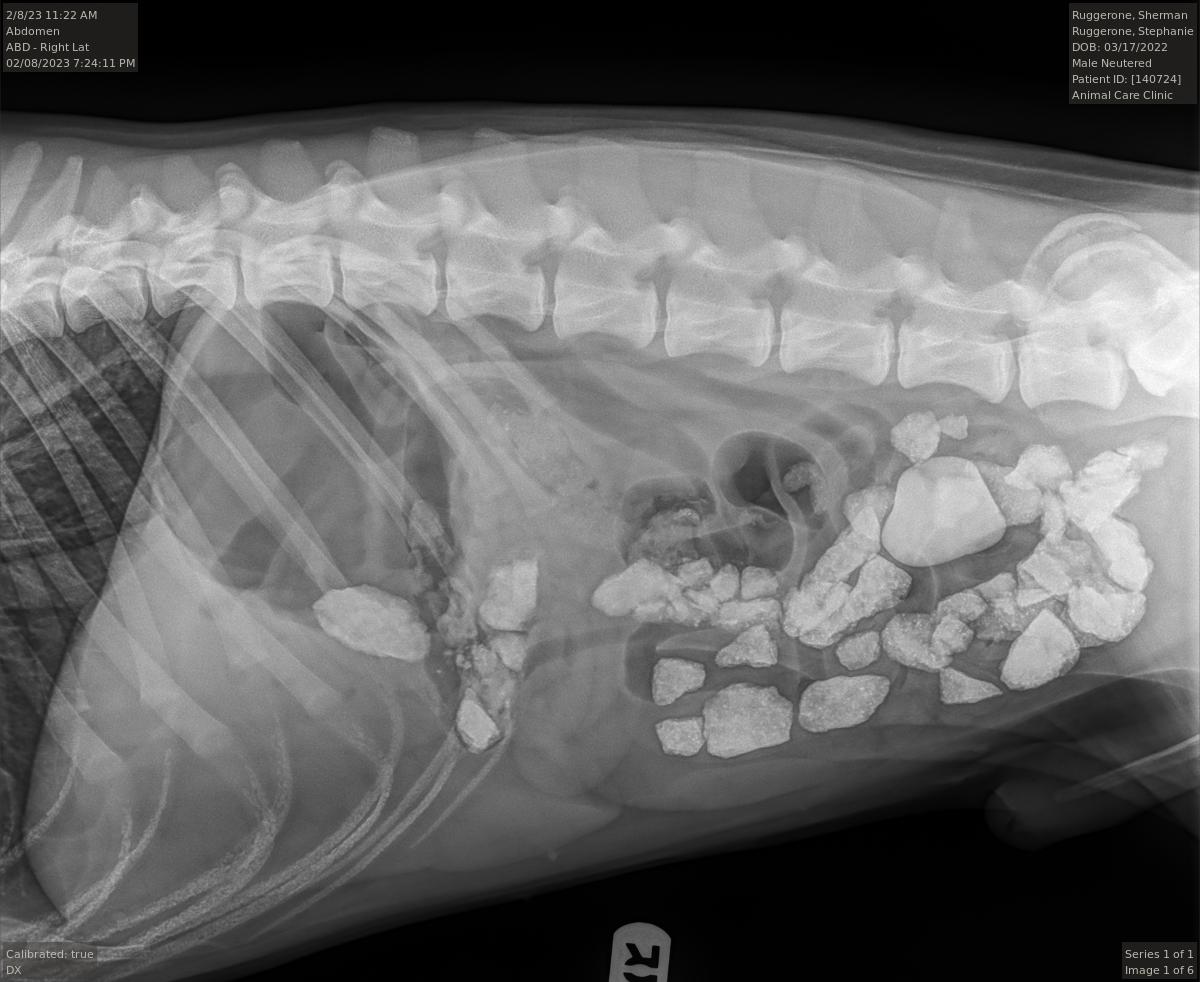
A tip to keep your dog’s teeth from being damaged is to use a ball other than a tennis ball. There are medium weight rubber balls sold at pet supply stores that can serve just as well for a game of fetch, but do not have a fibrous covering. Rubber balls do not sand down tooth enamel because their surface is much more slippery. You should also keep in mind that smaller balls and pieces of chewed up balls (including tennis balls) are commonly removed from dogs surgically. Be sure that the balls you use are too large to be swallowed by your largest dog, and too tough to be chewed into pieces by your strongest dog.
For dogs that just love their tennis ball, a good compromise is to only use the ball for fetching and not allow free access to it. This means put the ball away in between games and don’t allow your dog to gnaw on it. This will help to minimize damage to their teeth. In between games, offer your dog a safe rubber chew toy to keep them entertained!
This week is National Animal Poison Prevention Week! Say that 10 times fast! This really is no joking matter though and can be very serious for your pet. In 2010, human medications topped the list of pet toxins, followed by insecticides, rodenticides, people food, veterinary medications, chocolate, household toxins, plants, herbicides and outdoor toxins. Treatment of a pet can vary widely based on what the toxin is, how much, and if it was consumed or came in contact some other way. The FIRST thing you should do is always call your veterinarian! Your vet can guide you if your pet should be seen immediately or if there is something else that can be done at home. Of course, prevention is always the key. Almost any item can be toxic in the right amount, but it is a great idea to become aware of toxic human foods or plants. Our website has some information on poisonous substances to pets between links and blog articles, for a summary click here.
The ASPCA runs the Animal Poison Control Center. If you are ever concerned you can call the APCC at (888) 426-4435. For a $65 fee to your credit card they will tell you exactly what to do. When a poison or ingestion emergency comes in to our hospital and we need more information on how best to treat your pet, we will call the poison control center for you for the same fee. This may be easier for you since, depending on the case, the specialist on the other end can throw out some difficult medical jargon and treatments only a veterinarian can do. The ASPCA website has an entire section on the poison control center and articles about toxic substances to your pet.
HealthyPet.com is always a great resource. They have a great article on keeping your home a “Poison Safe Household.”
Cornell University has an online toxic plant database containing information and pictures.
There was a very good article recently on USA Today on “Vet’s view: Xylitol can be deadly to dogs.” Xylitol is a sweetener used so widely now that can be extremely dangerous to dogs and cats. This article has some great information about what xylitol is, why it’s dangerous, and what to do about it. Another source is an article Dr. Greenberg wrote on “The Dangers of Xylitol.”
Prevention is always the best way to arm yourself and your pet from the dangers of poisonous and toxic substances. If you have any question, as always, please call us or stop by!
Learn more reasons why it is so beneficial to take your pet to an American Animal Hospital Association (AAHA) accredited practice. Animal Care Clinic is very proud to be AAHA accredited since 1993 and is currently a top-5 finalist for the AAHA Practice of the Year Award! AAHA accreditation is a voluntary commitment that we have made to you and your pets. Only about 15% of small animal hospitals are accredited with AAHA!
Brewster, a neutered male, 2 year and 7 month old dachshund was brought to us a day after getting adopted from Animal Services. Brewster presented to Dr. Tao as a healthy young dog. The only concerns at this time was a slight cough, which could have been from either an upper respiratory infection or irritation of the trachea tube placed during the neuter from 2 days previous. A small wound was noted in the chin area (below mid mandible) and the owner was recommended to keep an eye on it and if not healing we could try a course of antibiotics.
The wound on Brewster’s chin was not healing and so he was given some antibiotics. Even with a round of antibiotics the wound had not healed. Brewster came in for an appointment with Dr. Markoff to reassess the wound. Dr. Markoff noted it looked similar to a foxtail tract. A slide of the wound discharge revealed no bacteria and mostly some round cells. The wound was probed with no foreign body found inside. We cleaned the area after taking a culture and then sent Brewster home on a different antibiotic. The culture revealed nothing that the antibiotics shouldn’t take care of. The wound continued to swell up and go back down. The next step was to bring Brewster in for anesthesia and take a dental x-ray of the area.
Brewster came in and was put under anesthesia and a dental x-ray taken. The image clearly shows that there is some foreign object between the mandible bones. What do you think it is?
Click this link to see what we found!
There are so many interesting news stories out there about pets and other animals, veterinary medicine or other animal related topics! Each week we’ll be gathering some stories that might be interesting to you, so keep posted each week for new stories!
This week: Veterinarians in public service
•“Canine handler aids Japan rescue effort” - Firefighter/paramedic Gary Durian of Yorba Linda is one of six canine handlers who arrived Saturday in Japan. Durian and his dog, Baxter, will spend time in northern Japan working on search and rescue efforts.
• U.S. Team bound for Japan in animal-rescue effort – A New England crew from the International Fund for Animal Welfare in Yarmouth Port is on their way to Tokyo today. They will be meeting with animal rescuers, veterinarians, and government agencies to assess the problem of displaces pets and livestock and the need for supplies, clean water, and shelters.
•“Lompoc man a military vet and local veterinarian” - Dr. Raghavan Sampathkumaran has recently returned from returned from Kuwait and Kyrgyzstan where he was caring for army dogs that worked sniffing bombs and as guard dogs. His role has also involved inspecting the army food supply.
•“Vet Emergency Response Team Mobilised” - The New Zealand University sent the new Veterinary Emergency Response Team to Christchurch to care for animals after the earthquake.
•“Veterinarian shares skills with Haitians” – Joe Snyder of Myrtle Point, Oregon recently spent some time in Haiti giving the people there a crash course in animal care. This could be life saving to prevent disease in a country where there are virtually no veterinarians and animals are a life-hold to the people that own them.
•“Animal rescuers on stand-by” – No significant reports have been made by an animal search and rescue team after the earthquake in New Zealand.
Written by Bonnie Markoff, DVM, ABVP
I love going for drives with my dogs. I have three of them. Zeke and Teague tend to sit together in the front seat. They are really too big for this, but manage to intertwine their legs enough to get comfortable. They trade off putting a head in my lap and both keep an eye on me to be sure I am driving safely. Pete is the older dog and he must trust me more. He likes to take the entire backseat to himself. He particularly likes to stick his nose out the window while he watches the scenery go by. On long trips they take turns stretching out on the dog beds that are set up in the back of the SUV, and they are very well behaved in hotels.
Not every pet travels like that. Some are nervous or anxious. They may whine, meow, yowl or even bark. They may pace or continually get up and down. Some just sit still and shake. Others get car sick and either drool or vomit on your beautiful car interior. This can put a serious strain on the relationship between a human and a pet – so what do you do.
Carsickness is treatable! I believe that nausea can be the root of much of the anxiousness and vocalizing that we see in some pets. It is virtually always the cause of vomiting and drooling. For years we have used diphenhydramine (Benadryl) to try to treat carsickness. It works a lot like Dramamine. There is now a drug approved specifically for treating carsickness in dogs. It is called Cerenia and is very successful. One pill a day is all they need!
Stress and anxiety in the car is much harder to manage. If Cerenia does not work, we recommend you start by confining your pet with familiar bedding. Set up a crate in the car, preferably the crate your dog sleeps in when indoors. Put his favorite blankets or toys in the crate. Be sure that the crate will not rattle or make any noises as you drive. Dogs are den-loving creatures, and the comfort of a solid sided “room of her own” can be enough comfort for many pets.
If this does not help, you may need to convince your dog or cat that car rides are wonderful. Start by feeding your pet in the car – but don’t turn it on. Once they readily accept that meals are associated with the car, try turning on the engine while they are eating. After a week of two of that, drive very slowly to the end of the block & back while they are eating. Be sure there are no sudden stops or turns. After a few weeks of that, it is time to try being in the car at times other than mealtime. Ask you dog to jump into the car and then give him a treat and immediately let him jump out. Next step is to get into the car with your pet and turn on the engine. Let it idle for 5 minutes or so and then give your pet a treat and let her out. The next step is to drive a short distance and return home, followed by a treat. Keep slowly increasing the intensity of the experience, making sure it is always positive and always associated with something good, like a treat.
If you cannot convince your pet that car rides are fun using the above techniques, then you need some veterinary behavioral consultation. Dr. Jennifer Evans at Animal Care Clinic has a special interest in behavior and can work with you to help your pet ride better in the car. She may use some anti-anxiety medications or other behavior modification techniques to help Fido or Fluffy ride with you more happily.
Call us at Animal Care Clinic for more information.
There are so many interesting news stories out there about pets and other animals, veterinary medicine or other animal related topics! Each week we’ll be gathering some stories that might be interesting to you, so keep posted each week for new stories!
I’ve seen so many news stories recently that focus on animal behavior and the human-animal bond. I just didn’t want to wait to long to share them with everyone, so enjoy!
• I Sniff, Therefore I Am. Are Dogs Self-Conscious? This article explores self-awareness in the animal kingdom and how it varies between human, apes and down the line to dogs. We all have our own thoughts on this idea. Well it has been tested various ways and among them the mirror test. See what scientists have found out so far.
• Wall-E on ‘GMA’: How You Can Adopt a Dog A particular story of a puppy spurs thousands of people to write and try to adopt it. This story highlights how many great dogs (and cats) are in need of homes waiting patiently in shelters across the U.S.
• Prehistoric Dog Lived, Died Among Humans Researchers found evidence of human-dog interaction in prehistoric times based on the remains of a male dog in Siberia.
• Special-Needs Pets Will Enrich Your Lives With Love This article enforces our own Stephanie Ruggerones article from a couple weeks ago. No different than with people, just because a pet’s body doesn’t function “normally” has nothing to do with the amount of love they give back to us!
• UC Davis vets’ online survey asks about cats and kids Previous research has shown that cats have a calming influence on people. UC Davis veterinarians are currently conducting a survey about the relationship between cats and children. For more information and to take part in the survey, check out this story.
• Man and a goose form unlikely friendship Maria the Tolouse goose waits every day for her human friend Dominic Ehrler at Echo Park, California. She is very protective of her friends. She even seems to have affinity for rock stars as she wouldn’t leave the members of the band Ok, Go alone during a filming of a music video. Instead of fruitlessly attempting to remove her from the scenes she became one of the stars of the video.
• Cats Adore, Manipulate Women Regardless of the sex of the cat, a study has shown that the dynamics of cat-human relationships are almost identical to human only bonds. This is especially true when the human involved is a woman.
There are so many interesting news stories out there about pets and other animals, veterinary medicine or other animal related topics! Each week we’ll be gathering some stories that might be interesting to you, so keep posted each week for new stories!
This week:
•“Dogs Love of Poop Turned to Scientific Good” – Scientists at the University of California at Berkeley are now using dog’s ability to sniff out poop of certain animals to study wildlife! They use this method as a non-invasive method to study wildlife!
•“Which Breed is America’s Top Dog?” - According to the number of dogs registered each year with the American Kennel Club (AKC) the bulldog has bumped the boxer down a notch, but the lab still remains America’s number 1! Check out this article to see where your favorite dog breed ranked!
•“Young Pets Require More Than Hugs” – As spring is beginning to edge in on winter we are seeing lots of puppies and kittens. Don’t forget that these youngsters require around the clock attention. Puppies and kittens also needs more frequent trips to the vet for vaccines and other preventive care along with training to shape wanted behaviors.
•“Nearly Mailed Puppy Paired with New Owner in Minnesota” – A puppy made the headlines when a postal worker heard noises coming from a box and saved a puppy from what likely would have been a deadly ride through the U.S. postal system!
•“Earth Gets Spoils of Animal Composting” – The idea of animal composting hasn’t made it’s way to companion pets at this time, but is gaining momentum as a green alternative to disposing of road kill and other animal carcasses!
Written by Bonnie Markoff, DVM, ABVP
Pamela has asked Animal Care Clinic if there is any treatment for Demodex besides a product called Promeris. The answer is a definite “yes!”
Let’s start by looking at what Demodex is. Demodex mites are microscopic insect-like creatures that normally live on the skin of many dogs and cats. If the immune system is compromised in any way, they can rise in numbers and cause skin inflammation. This is most commonly seen in puppies as focal areas of hair loss and scaling. Sometimes we see lesions all over the body and occasionally adult dogs and cats will have chronic recurring trouble with skin infections due to demodex mites.
Treatment depends on the severity of the problem and the age of the pet. Puppies with only one or two small lesions in a limited area of the body may need no treatment at all. We use antibiotics to treat secondary infections and watch the areas to be sure they regress on their own. Adults, youngsters with many lesions and cases where lesions are not regressing will require specific mite therapy. This can take the form of topical dips or rinses, injectable or oral medications, or one of the topical “flea control” products.
For very localized lesions, particularly in young dogs, I like to use a product called Mitaban, which contains Amitraz. This dip is pretty obnoxious to use on an entire animal, and is toxic to cats, but it is an easy and inexpensive way to gain control of mild, local disease. For more extensive cases, we have classically used a deworming medication called ivermectin. This product can be injected or taken orally. It is usually very effective, but can have side effects. We usually start it at a low dose and slowly raise the dose while looking for any drug intolerance. Collies, Border Collies and similar breeds are more likely to have adverse reactions to the drug. If this product works quickly and is tolerated by your pet, it is usually quite cost effective. Promeris is one of the newer topical flea products and it has been shown to have good efficacy against Demodex. There is no currently agreed upon best method for using this product for Demodex. It is usually applied every 2-4 weeks and may be needed lifelong. Most veterinary dermatologists prefer ivermectin for treating demodex.
The most important thing to know when trying to clear demodex is that every patient will be different. It is absolutely essential to monitor the disease regularly. Skin scrapings should be performed every 1-4 weeks and it is important to count the mites with each scraping. You should hear a live vs. dead mite count each time your dog is seen by your veterinarian. This is what tells us if the treatment is effective and guides us in how long to continue the therapy. Many adult dogs will need therapy for their entire lives to control this disease.
If you have any questions about mites, skin disease or other veterinary issues, call us at Animal Care Clinic. We are open M-F 7:30-6, Saturdays 9-3 and Mondays until 8pm.
PetsMatter Newsletter is written by the American Animal Hospital Association with a dose of pet health, behavior and lifestyle articles from veterinary professionals. Articles featured in this issue include:
•Expert Explores Unexplained Animal Behavior
•Bringing a New Kitten Home
•Cats Get Arthritis Too
•I Want to Be a Veterinarian When I Grow Up
•Does the Carpet Match My Dog? Pet-Friendly Amenities Attract Home Buyers
Check out the full newsletter and links to this issue’s articles on HealthyPet.com!
Dr. Michael Cavanaugh, AAHA Executive Director, responds to a recent article that highlights the risks of letting your pets sleep in your bed. Original article from MSNBC can be found at http://www.msnbc.msn.com/id/41235440/ns/health-pet_health/.
We think this video sums up our opinion on this story pretty well. There are some risks of pet ownership as far as zoonotic diseases (diseases transmissible between people and animals) go, and this is our job as veterinarians to educate pet owners about. Several team members of Animal Care Clinic share their bed with their pets and this recent article will not change this. As long as pets are current on their preventive care there is a very low risk for anything to be passed. Common sense of doing things like washing hands will go a long ways in keeping everyone healthy! So keep enjoying the comfort and companionship of your pets and let us know if you have any questions about your pet’s preventive care!
Just like people, dogs and cats are recommended to get their teeth brushed as a part of their preventive care regimen. Teeth brushing should occur a minimum of 5 days a week to be beneficial. Use a child size soft bristled tooth brush and dog/cat formulated enzymatic toothpaste. Watch this video for some helpful tips in making brushing your pet’s teeth an easy and fun process. Come by Animal Care Clinic or give us a call at 805-545-8212 for questions or to schedule a tooth brushing demonstration!
Written by Nicole Gunkel, RVT
You may have heard how beneficial it is to brush your pet’s teeth at home. You might think, “really?” “That’s too difficult” or “that’s crazy!” I want to tell you that for many pets, it really isn’t that hard to accomplish. Brushing your pet’s teeth is the MOST beneficial thing you can do at home to minimize and even help prevent dental and gingival disease. According to the American Dental Association, 80% of people brush twice daily. Imagine what would happen to your own teeth if you didn’t brush twice daily, floss daily and have your teeth cleaned every 6 months! Now think about your dog and/or cat not having anything done to protect their dental health! I’m going to give you some tips to make brushing your pet’s teeth at home an easier and less stressful process. It can even be fun!
1) First, remember that tooth brushing must be done a minimum of 5 days a week, and is ideally done everyday. Tartar builds up fast and as soon as it begins to calcify into calculus (48 hours), no toothbrush will be able to remove it.
2) Begin by letting your dog or cat lick the toothpaste. Make sure to use toothpaste made especially for pets. Human toothpastes have detergents in them that make them foam, like hydrogen peroxide. These agents are not meant to be swallowed and could cause your pet to vomit if ingested.
3) It’s best to start when your pet is young (but not necessary) and take baby steps. You may want a helper to keep your pet from wiggling away at first. I started out by sitting on the floor and had my puppy lay on her back between my legs, head closest to my body. This allowed me to hold my squirmy puppy by squeezing my legs. That left both of my hands free to manipulate the toothbrush and hold her mouth. I have now progressed to letting my dog sit in front of me. You can also have your dog sit in a corner where they can’t back away.
4) The best toothbrush is a child size brush with soft bristles. This is also inexpensive. I wouldn’t recommend the finger brushes, because it makes it just too easy to be accidentally bitten. Ouch!
5) When starting, brush with the toothpaste for no more than 30 seconds. Over time you can increase the duration. You could even start out using a little peanut butter or beef broth for dogs or tuna water for cats to help make the experience more pleasant, as long as you eventually phase over to using toothpaste.
6) With one hand hold the mouth closed. Insert the brush beneath the lips and along the teeth, and hold the brush at a 45-degree angle. Brush in a circular motion. The goal is to gently massage the gums and move tartar away from the gum line. Work the brush along the upper and lower teeth on both sides. Due to the location of the salivary glands, most tartar builds up on the outside of the teeth, so only the outside surfaces need to be brushed. Your pet will move toothpaste around to the inside of the teeth when licking after you are done brushing.
7) Every time after brushing teeth, reward your pet with a treat or something they will think is special! I like to brush my dog’s teeth before dinnertime, so her dinner is her reward.
8) Make it a habit! I already mentioned that tooth brushing needs to be done 5-7 times per week to be of any benefit. I keep my dog’s toothbrush and toothpaste inside her food container, so every time I feed her those items stare me in the face and remind me of what I should do before feeding dinner.
Even with the utmost patience, not all dogs or cats will allow tooth brushing. For those pets, it is best to stick with other methods of at home prevention and keep up with dental cleanings as your veterinarian recommends. My dog is currently almost 3 ½ years old and her teeth are sparkling clean and look way better than her buddies the same age. If you have any questions about tooth brushing or dental health, please call or come in. We can give you a tooth brushing demonstration!
Written by Nicole Gunkel, RVT
At Animal Care Clinic, dental disease & obesity are the top two health concerns that we see – and both can be life threatening! About 70% of cats and 80% of dogs have some degree of gingival (gum) disease by the age of three! Unhappy gums are caused by a build-up of plaque and tartar on the teeth, where it causes infection and mechanical irritation. Most dogs and cats need their first dental cleaning by age three and about once per year afterwards. After teeth are cleaned, plaque begins to develop within a few hours. This plaque will calcify in just 48 hours! Luckily there are things you can do at home to prolong the time needed before your pet’s first dental cleaning and extend the time in between anesthetic cleanings!
Even if you use these products at home, your pet will need regular dental cleanings, just as we still have our dental hygienist clean our teeth every 6 months. If you have any questions about any of these products or services, call or come by Animal Care Clinic. We would be happy to help you! Any of our veterinary nursing staff can assess your pet’s dental health at any time, so swing on by!
Written by Bonnie Markoff, DVM, ABVP
Many clients at Animal Care Clinic ask about how to feed their pets – free choice or meals. Veterinarians disagree to some extent as which is better, and there are medical benefits to both systems.Many owners find it convenient to leave food out all the time for their animals, especially cats. Others prefer to put a set amount of food down for a few minutes and let the pets eat what they want, and then put the food away. At Animal Care Clinic we have found that pets who are given free choice to food are more often overweight, and that it can be extremely difficult to get a pet to lose weight without using meal feeding as a strategy.
We strongly recommend that you start all puppies and kittens on meals from the very beginning. This can help greatly with potty training. Animals 7-16 weeks of age should get at least 3 meals a day. Once they reach 4 months of age you can cut back to two meals daily and continue this throughout adulthood. By starting meals when pets are young you can prevent obesity. Feeding your pets to their proper lean body weight can add 2 years to their lives!
But what do you do if you want to make a habituated free choice feeder accept meals? Every animal will respond to this differently. Dogs who know how to manipulate their owners (that would be most dogs!) will follow you around, whine a little and then flash those big, brown eyes and make you feel really guilty. Do not cave in! Most pets are not “always hungry” – they are “always bored.” When you are watching TV and feel like getting a snack, is it because you are hungry or because you like to have a snack while you watch TV? Very few Americans (pets or people) get truly hungry before meals. So…..in most cases, you can just start feeding meals: set down the food bowl, wait 30 minutes and then pick it up. Don’t put it down again until dinnertime.
Cats and some dogs present a bigger challenge. Cats deprived of food at night have been known to jump into the owner’s bed and attack! Some pets pester us so badly that we just can’t relax or function in our homes without appeasing the pet’s demands. In these cases we have to be more subtle. Start picking up the food in the middle of the day – just for an hour or two. Your pets probably won’t even notice. Each week add 30 minutes to the time the food is unavailable. If you will be out of the house, pick up the food for the entire time (your pets can’t retaliate when you are not home.) Try picking up the food just as you go to bed and set it back down when you wake up. By gradually extending the times that the food is unavailable, you will eventually get to the point where food is available for only 30 minutes, twice a day. My dogs & cat eat their meals in less than 5 minutes.
It is also important to have a separate bowl for each pet. We must prevent the gluttons from eating food out of the bowls of their friends. Supervised meals can help with this. Sometimes we must separate pets into different rooms during mealtime.
By feeding meals and using a separate bowl for each pet, you will be ready to conquer almost all nutritional problems. Weight loss is much easier for animals on this regimen. It is much easier to change diets for pets who eat meals. It is also easier to hide medications in the food of pets who eat meals because they tend to eat faster. (Now, eating too fast is an entirely separate subject!)
For more nutritional tips call us at 545-8212.
Written by Stephanie Ruggerone
In the movie “Seabiscuit”, trainer Tom Smith states, “You don’t throw a whole life away just because it’s banged up a little”. Oh how I wish more people would view the world this way! While I have loved many animals in my life, it is the ones who had “special needs” that have taught me the most valuable lessons.
Our animal companions do not feel sorry for themselves nor do they expect special treatment. Regardless of the origin of their “defects”, by birth, illness or injury; they forge ahead with life and find ways to overcome disability. They possess the same devotion and love as normal animals but we often discard them because they don’t look right or require a little extra care on our part. While some of these wonderful creatures may require additional financial means, most simply need someone to accept them as they are and allow them to burrow into a human heart.
Blind animals can quickly learn to navigate a home and yard and enjoy leashed excursions once they know you will be their “guide human”. They compensate for their lack of sight tactility and with sound. Keeping a radio playing in a specific part of the home or hearing a water fountain gives them points of reference.
Deaf pets can learn hand signals and feel vibrations. Oh, but how do you get their attention to teach the signals? Use the nose! Food will keep their attention for quite some time. They often learn to “check in” with their human friends by frequently turning to look for signals. Yes, it takes some additional time to ensure these animals are safe in their environment but well worth the effort!
Missing body parts often seem to be a big factor for us but rarely a problem for the animal. We often fail to look beyond the appearance and can’t imagine these animals being happy. With proper exercise they can frequently run like the wind, keeping up with their full-bodied friends. Some even excel in agility!
Napoleon is one of my current special needs “kids”. He was born with a syndrome called “swimmer puppy” and his future was questionable. He learned to walk (and run) through he isn’t exactly graceful and he is absolutely wonderful with my two year old grand daughter. He has given my family seven years of snuggles, smiles and lots of laughs. He may not be “normal” but has endless value to me via unconditional love.
Never thought of adopting a special needs pet? Try it! I think you may find you not only like it but it may become habit forming.
Written by Marissa Greenberg, DVM
Most people are familiar with the usual specialties like internal medicine, surgery, or radiology. But what does it mean for a veterinarian to be a boarded practitioner, a member of ABVP? The American Board of Veterinary Practitioners is a unique specialty and can be described as being a “specialized” general practitioner.
ABVP was established in 1978 to promote excellence in general practice. In contrast to the other specialties that focus on a specific system, ABVP promotes care of the “total patient.” ABVP offers certification in 8 different fields, or practice categories: avian, beef cattle, dairy cattle, canine and feline, equine, feline, food animal, and swine health. ABVP doesn’t require a residency program. Veterinarians can work towards this specialty status while in practice. In fact, they must be in practice, working on their species of choice for at least 6 years, before certification can be pursued if a residency program was not completed. It allows for practical, on-the-job training for the goals to be reached.
After 6 years of practice, an applicant must submit a curriculum vitae, a synopsis of their veterinary experience post-graduation, a self-report job evaluation form, 3 applicant evaluations, 2 case reports, and proof of 90 hours of Continuing Education over a 5 year period. The application is reviewed by members of the board. The 2 case reports are meant for the applicant to demonstrate their expertise and their high quality practice abilities, and are based on cases the applicant has seen over a 5 year period. Once the application is approved by the board, applicants can sit for their qualifying exams. For each specialty area (except swine) there are two exams. The specialty exam is generally a 300 question multiple choice exam designed to test the applicant’s knowledge in their chosen practice category. The practical portion of the exam varies by practice category. Both tests must be passed in order to achieve certification. The tests for all specialty fields are given at the same time and same place each year, November in Chicago.
Once certified, the ABVP promotes self-improvement. It is the only veterinary specialty that requires recertification, which is required every 10 years. Recertification can be reached by a variety of methods, which includes published papers, Continuing Education, and examination, amongst others. By requiring recertification, ABVP members demonstrate that competency and quality of practice has been maintained.
ABVP describes their diplomates as “exceptionally talented veterinarians who reach beyond the expected and embrace challenges, because it is their passion.” Our own Dr. Markoff embraces this, and has been an ABVP diplomate since 1994. She is the only ABVP diplomate between Buelton and the bay area. Dr. Markoff will be my mentor as I embark on the road to becoming an ABVP diplomate myself. I will be working on my case reports and hope to receive my board certification by 2015. We’ll keep you posted!
Here’s an answer posted by Dr. Markoff in response to a question posted on our KSBY Central Coast Experts page.
Written by Bonnie Markoff, DVM, ABVP
Janice has asked about a feral cat named Heckel who has something wrong with her lower jaw. Caring for feral or “wild” cats can be extremely frustrating. We find cat colonies developing in many areas in our county. Quite often, a Good Samaritan feeds the cats, but usually the cats will not allow human contact. This means that providing medical care, including vaccines, requires trapping the cats. Illness in these colonies can be very distressing.
It can be very difficult to decide whether or not to trap and care for a feral cat. The process of trapping is very stressful for the cat. Handling the animals can be dangerous for the people involved. Follow-up care such as daily medications or suture removal, can be nearly impossible. Many people believe we should treat cat colonies like wild populations – no human intervention and allow “nature to take its course.” But those who feed and watch over these cats develop relationships with them and cannot bear to watch them suffer.
The cat I referenced above had been trapped in order to be spayed, and then released back into the colony. She now is drooling and there is a green color to the drool. If Janice gives her antibiotics (I assume being put into food or water), the problem improves greatly, but is back within just a few days when the medication is stopped. Janice has asked if it safe to give antibiotics daily forever. In this particular situation, I think it may be the best choice we have.
Normally we try to avoid the long-term use of antibiotics. We rarely see significant side effects from the antibiotics and quite often they effectively fight the infection for years. However, on occasion we can see “bad” microbes take over in the body. Women may develop vaginal yeast infections, which is not a significant problem for our pets. Instead we can see a change in the bacteria in the intestinal tract, which can lead to diarrhea and other GI upset. We can also see the development of bacteria that are resistant to the antibiotic we are using. This can lead to superinfections that are hard to treat.
I am concerned that Heckel has either traumatized her jaw or has a tooth abscess or tumor in her mouth. If we were to trap her, treatment may be very extensive, which would not only be costly, but very stressful for Heckel. There would be a high likelihood that she would need to stay in the hospital for follow-up care, adding to Heckel’s stress. If daily antibiotics are helpful, that may be the most humane thing to do. It is unlikely that lifelong daily antibiotics will be harmful to Heckel. So Janice, go ahead with daily Fishmox and we wish you the best of luck. Let us know if we can be of further help.
Written by Nicole Gunkel, RVT
When it’s really cold and blustery or raining, the temptation to curl up on the couch can be irresistible for both our pets and us. It’s important for our pets’ health to find ways to stay limber and fit, both in body and mind. I asked some of our staff to share some tips that they like to do with their own pets.
Staying In

Take some time to play indoors. You can hide treats around the house or in a toy that will force your pets to think a bit about how to get the treats out. The “Buster Cube” is a great example. Lure or have your pet follow you up and down stairs, if you have them. Does your pet play fetch? Throw a ball or other toy down a hallway or other open area. Rainy days inside are a great time to teach your pet a new trick or practice some simple obedience. If your dog has a backpack, go ahead and put it on with a little weight while moving around inside. Laser pointers are great for many cats and some dogs to get them moving about. Get your pet a new toy that will excite them into playing. A good scratching post will help cats wear their nails and stretch those muscles at the same time. And for those who can’t be enticed by other methods, you may just need to pick up Fluffy and move them across the house so they will have to walk the distance to go back and lay down!
Nutrition
If your pet is not active, you may want to consider decreasing the amount of food your pet is consuming by 25-30%. Keeping your pet at a lean body condition can increase your pet’s lifespan by up to 2 years! You can also use kibble from your pet’s daily meal allocation as treats instead of adding in extra calories by adding special treats. Healthy snacks such as vegetables (broccoli, carrots, etc.) or low calorie pet treats can be given. Most pets can count (they know how many treats they should get), but size doesn’t seem to matter. Give them the same number of treats, but in smaller sizes. “Plain Joe’s O’s” and “Charlee Bears” work great!
Get Out
It’s good for us to get moving, even if it means you are just walking around the block. If you and you’re pet are dressed appropriately it won’t matter if it’s a little cool. In San Luis Obispo County, we are lucky to have pretty moderate temperatures and weather compared to other parts of the country. [In yucky or cold weather be sure to bundle up appropriately. If your dog has a short hair coat, get them a jacket or sweater. I got a children’s sweater at a thrift store as an inexpensive way to keep my dog warm.] Schedule a play date with friend’s pets outside or at someone’s house. Enroll in an obedience or agility class. You can also take your pet to visit a local pet store that allows leashed pets.
Enjoy those winter months and stay fit so you will be ready to play hard this spring!
Written by Marissa Greenberg, DVM
As general practitioners at Animal Care Clinic, we all perform surgeries like spays and neuters. Sometimes we do more extensive surgeries like taking out a spleen (called a splenectomy), taking out bladder stones, or removing an object from the gastrointestinal tract that a patient shouldn’t have eaten! But sometimes there are surgeries that are better left to the hands of a Diplomate of the American College of Veterinary Surgeons (DACVS). We generally refer to these veterinarians as “boarded surgeons.” This means that they have gone through at least 4 more years of training after vet school, honing their surgery skills. They then must publish articles and take a test to become a boarded surgeon.
At Animal Care Clinic, we are fortunate to have a working relationship with Dr. Greg Marsolais, MS, DVM, DACVS. Dr. Marsolais worked at Animal Care Clinic as a veterinary nursing assistant while he was a pre-vet student at Cal Poly. He then went on to receive his DVM and Master of Science Degree from Iowa State University. He did his surgical residency at the University of Illinois. He now runs his own practice called Pet Surgeons, Inc. He travels to clinics to provide consultations and perform surgeries. Because of his previous relationship with Animal Care Clinic, we are happy to be able to have him visit us to perform these services for our clients and patients.
Dr. Marsolais is generally at Animal Care Clinic at least once a month. He spends his morning doing consultations and meeting the clients whose pets are to have surgery that day. One of our Animal Care Clinic doctors are always involved with each case to be sure that we are in the know and can follow through once Dr. Marsolais leaves for the day. Our Animal Care Clinic doctor works with Dr. Marsolais to create an anesthesia and pain management plan for each patient that is having surgery. Our staff monitors anesthesia for his surgeries just as they do for all of the surgeries our doctors perform. Many of the surgeries that Dr. Marsolais performs are orthopedic procedures, but he does many others as well.
Most of Dr. Marsolais surgeries spend at least one night in the hospital. This is so that our staff can monitor the patient’s vital signs and control any post-operative pain. We discourage owners from visiting patients post-operatively because it often excites them too much, and they can become very distressed when their owner leaves. This can put patients at risk for post-operative complications. Patients are generally discharged with very specific post -operative instructions and medications, and our doctors are always able to contact Dr. Marsolais regarding his cases for further follow-up.
If your pet has any issues that you think may warrant a consultation with Dr. Marsolais, please contact us so we can help schedule an appointment!
By Bonnie Markoff, DVM
Thank you, Shawna for your question about grooming Persian cats. This can be a big problem for many cat owners! The fine hair of a Persian easily clumps together to form matts – those Rastafarian type clumps of fur that cannot be broken up with a brush. Matts can be very painful and even cause damage to the skin because they pull on the skin like an over-tight ponytail. Many animals resent any effort we make to remove the matts, and it seems that Persian cats have the most pain associated with the procedure.
To remove matts that are not painful, try a brush designed specifically for that purpose. These brushes actually have sharp edges that cut through the matt. Once you break the matt into smaller parts, it is less painful and easier to remove. In some instances, you may be able to cut them off with scissors – BUT BE CAREFUL!! It is extremely easy to cut the skin. Never pull up on a matt and cut below it. The process of pulling up on the matt will tent the skin and almost guarantee your scissors will cut your pet. Electric clippers are usually the best way to remove the matts. Groomers can often do this. If the process is painful or your pet just hates being groomed, we may need to sedate your pet for the treatment. Shawna, you quoted a very high dollar amount for this procedure. Our hospital should be able to help you for about half that price, maybe less on subsequent visits.
Prevention is the best way to manage matts. Animals who are prone to matting their fur should be brushed every day with a good rake type brush. If you find any small matts while brushing, remove them with a matt rake or scissors when they are small and not painful. Some animals benefit from removing the hair that typically matts. A groomer can keep the hair in these areas clipped short or even shaved down to the skin. It is usually much easier to clip the hair short before matts develop than to remove the matts later. I hope this helps, Shawna!
Written by Marissa Greenberg, DVM
Though it hasn’t felt like it lately, winter is here! As you plan any trips this winter, consider including your dog if you are going to the snow! Most dogs seem to take to the snow naturally, and just love playing in it! When I moved to Washington with my dog Slink, she had never experienced the snow. But she instantly loved it and enjoyed running through it, looking for things to chase underneath it, and trying to catch snowballs! There seems to be something about it that just energizes some dogs. The first time Mico went, he instantly loved it as much as Slink!
There are several activities you can do with your dog at the snow. The first is just playing in it! Letting them run, play, try to catch or find snowballs, and digging through it can be very entertaining for all involved. There are many places you can take dogs with you on trails where you can snowshoe or cross country ski. It is important to make sure that your dog is comfortable in the cold weather-some may need sweaters or jackets if they are short haired breeds. If running around a lot in the snow, your dog may need booties to protect their pads. Also, make sure they have a water source that isn’t frozen over and that they have a warm place to sleep.
For the real snowy condition enthusiasts, you may want to try your hand at skijoring. Skijoring is where a dog or pair of dogs are harnessed and connected to a skier, thus pulling the skier along the trails. Any medium to large sized dog could enjoy this sport! The other dog snow sport is of course, dog sledding. If you are interested in more information about either of these sports, please check out this website http://www.psdsa.org/Default.aspx.
We would love to see pictures of you and your pets out enjoying the snow! Have fun out there enjoying winter wonderlands of snow with your pets!
Spaying and neutering can provide tremendous health benefits to your dog and cat. If you choose to breed a pet, be sure you understand the responsibilities this entails. Dogs and cats should be screened for genetic diseases and sound reproductive health before breeding. And you need to be sure you can provide good homes for all of the offspring. Contact Animal Care Clinic for more information on canine and feline reproduction and on the benefits of spaying and neutering your pets.
Written by Nicole Gunkel, RVT
Some of you may have seen our post a few months back that we sent in our application for American Animal Hospital Association (AAHA) Practice of the Year. Well, I have some exciting news that we recently found out that Animal Care Clinic is a finalist for Practice of the Year!!! We are all elated that we have made it as a finalist this year! It all started last spring, when in one of our regular veterinary periodicals there was an article about the first annual AAHA Practice of the Year awards. I read it and thought, why didn’t we hear about this? In my mind, Animal Care Clinic should be a shoe-in for this award! So I decided that when it was time to send in applications for the following year, we would be among them! AAHA will announce awards for first, second, third and two honorable mentions. We will find out where we stand in March at the AAHA conference in Toronto. So, keep your fingers crossed that we did as well as I know we can, first!
For those that are unfamiliar, let me tell you a little more about the American Animal Hospital Association, AAHA accreditation, and what it means to you as pet owners. AAHA was established in 1933 as an international association. They accredit animal hospitals throughout the U.S. and Canada. AAHA accredited hospitals undergo voluntary evaluations to be assessed on 900 standards in the areas of quality of care, diagnostic and pharmacy, management, medical records, and facilities. AAHA is known among veterinarians and pet owners for their standards. AAHA standards require hospitals to provide diagnostic services (x-ray and laboratory) to quickly diagnose pets, focus on quality of care in anesthesia, contagious diseases, dentistry, pain management, patient care, surgery and emergency care. Accredited hospitals have an onsite pharmacy and must also have medical records that are thorough and complete. You might be surprised how many places do NOT have thorough and complete records! For these reasons, it should be important to you that your pet is seen by an accredited hospital. There are many hospitals that do meet these standards, but have not gone through the evaluation. However, you do not have that guarantee unless your hospital can prove they are AAHA accredited. You can be confident that if you pet is taken to an AAHA accredited hospital they are more likely to be given top-quality care. The AAHA standards are also periodically reviewed and updated, so consistently accredited hospitals can stay on the leading edge of veterinary medicine and give the care your pet’s deserve.
If you would like to learn more about the American Animal Hospital Association, you can visit their websites at: http://www.aahanet.org/ or http://www.healthypet.com/. Their Healthy Pet website is built specifically for pet owners with helpful information on pet care, travel, fun stuff and even interactive pet stuff just for kids! They have an AAHA hospital finder, so you can locate the AAHA accredited hospitals nearest to your location. You can also connect with AAHA through Facebook!
Everyone at Animal Care Clinic is very proud of our AAHA accreditation. We have been accredited with AAHA since 1993 and have maintained our certification since that time. If you would ever like to talk to us about our AAHA accreditation, get a tour or have any questions at all, please contact us! We look forward to announcing how we fared as a finalist in the coming year!

Resources
View Articles